
For Caregivers: Supporting the Emotional Journey
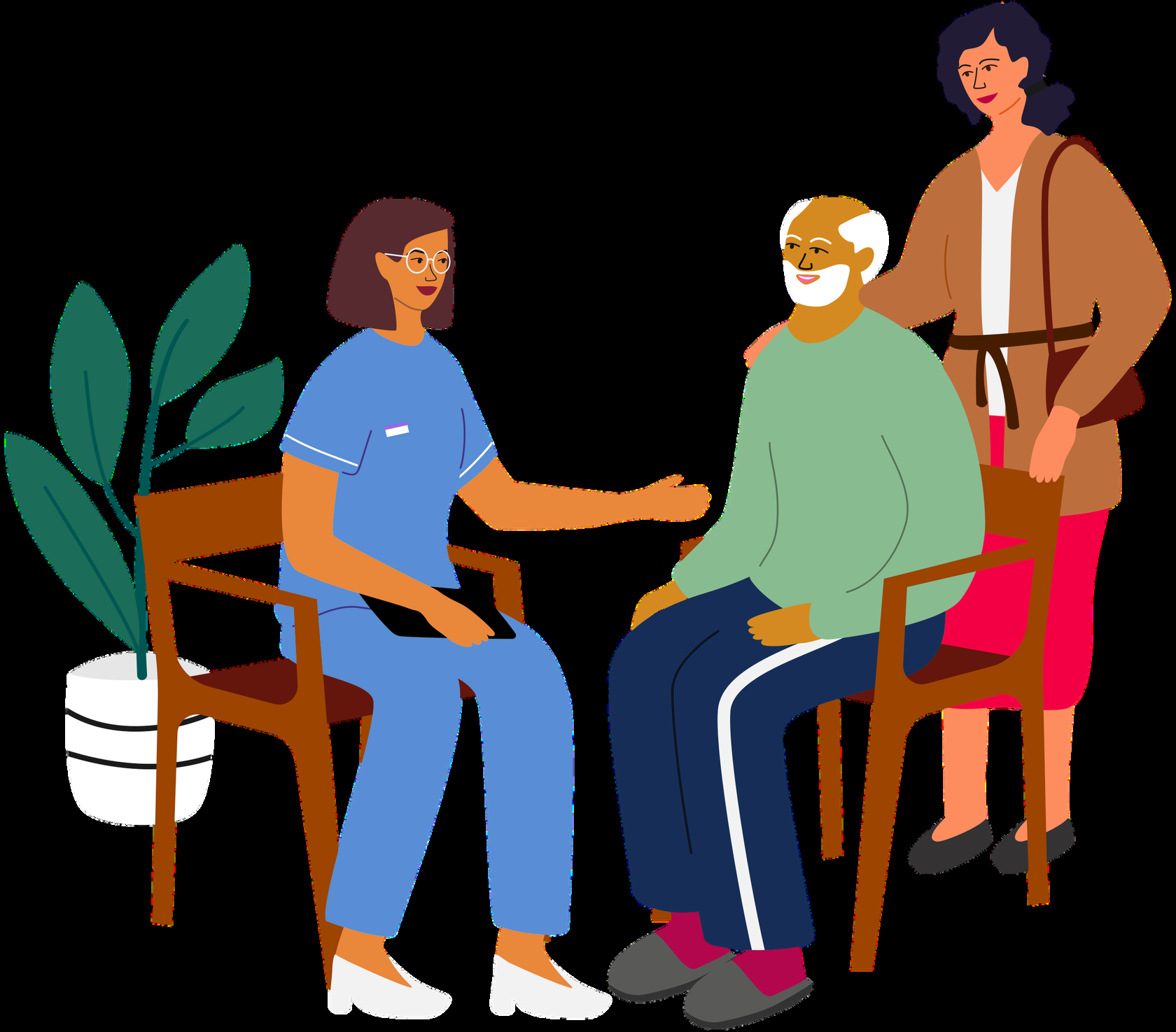
When a loved one has a heart event like a heart attack, heart surgery, or heart failure, it can bring big changes to your life. As a caregiver, you may be helping with new routines, medicines, doctor visits, and daily care. This can feel like a lot, and it is okay to ask for help when you need it.
While physical health is important, emotional well-being matters just as much. Changes in mood, stress, sleep, or energy can be signs that your loved one is having a hard time. These changes can affect how they manage their heart condition.
Source: BHI Patient & Caregiver PDF, p.27
Living Well as a Caregiver

Living Well as a Caregiver is a guide made by the University of Ottawa’s Heart Institute for people who are helping someone with heart disease. Whether your loved one is living with heart failure, recovering from a heart event, or managing other heart conditions, your support matters.
This guide includes tips to help you give care, while also caring for yourself. Inside, you will find information about stress, sleep, and physical activity. It also includes resources, support programs, and contact information to help you feel prepared and connected. You will also find tools and resources made just for caregivers like you. Your health and well-being are important too.
Living Well as a Caregiver (EN)
Mieux vivre comme proche aidant (FR)

Supporting Someone with a Heart Condition
The Ontario Caregiver Organization provides support, information, and resources for caregivers across the province. Their heart health section includes helpful guides, and programs designed to support those caring for someone with a heart condition. They also have a helpline you can access for support.

How to Talk to Your Loved One About Their Mental Health
It’s not always easy to bring up mental health, especially with someone you love. You might worry about saying the wrong thing or making them uncomfortable. But showing you care, asking gently, and listening without judgment can open the door to real support and connection.
These simple phrases can help you begin the conversation:
Notes for myself:
Before your visit, take a moment to reflect:
What changes have I noticed in their mood, behavior, or energy?
Have I created a calm, non-judgmental moment to ask? Am I ready to listen without jumping to solutions?