Eating and Feeling Well with Heart Failure
Our diet plays a big role in how we feel every day1,2. Paying attention to what we eat can boost our mood, energy levels, heart health, and quality of life.
Eating healthier can improve mental well-being and lead to better heart failure outcomes1,2.
Finding ways to enjoy a well-balanced diet is a great way to support your health.
“
And through my own efforts, I changed pretty much everything. I eat very differently, I go to the gym every morning, and my stress is gone, my sleep apnea is gone, my [weight] is much better than it was.
”
— Adult with Heart Failure, Ontario
Healthy Eating Doesn’t Have to Be Expensive
Before you begin reading this section, we want to address a misconception that many people hold, which is the belief that healthy eating means shopping at expensive grocery stores and spending lots of money. This is not the case. Eating healthily is achievable regardless of your budget.
Purchasing frozen and canned fruits and vegetables are two ways to help you save money while improving your diet.

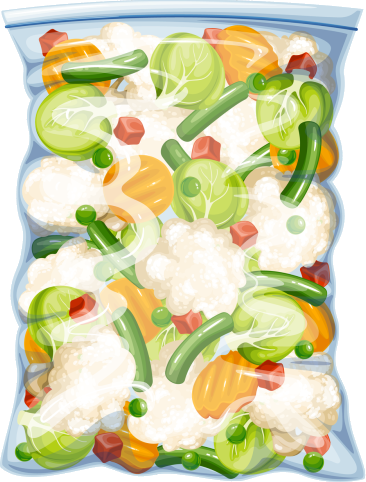
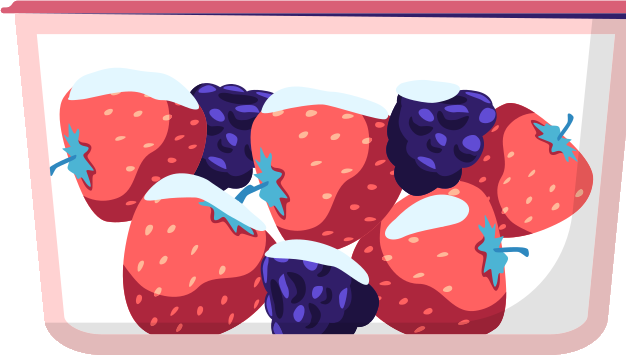
Fruits and vegetables are frozen immediately after they are picked. This is why they retain the same nutrition as fresh fruits and vegetables3. Most grocery stores sell frozen fruits and vegetables at a lower price than fresh ones.
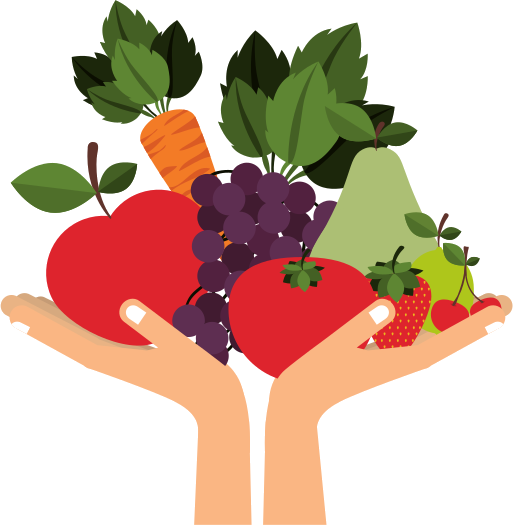
Because they last longer in the freezer, buying them frozen helps prevent you from throwing them out if they spoil before you can use them. The less food you waste, the more money you save and the better it is for the health of our environment3.
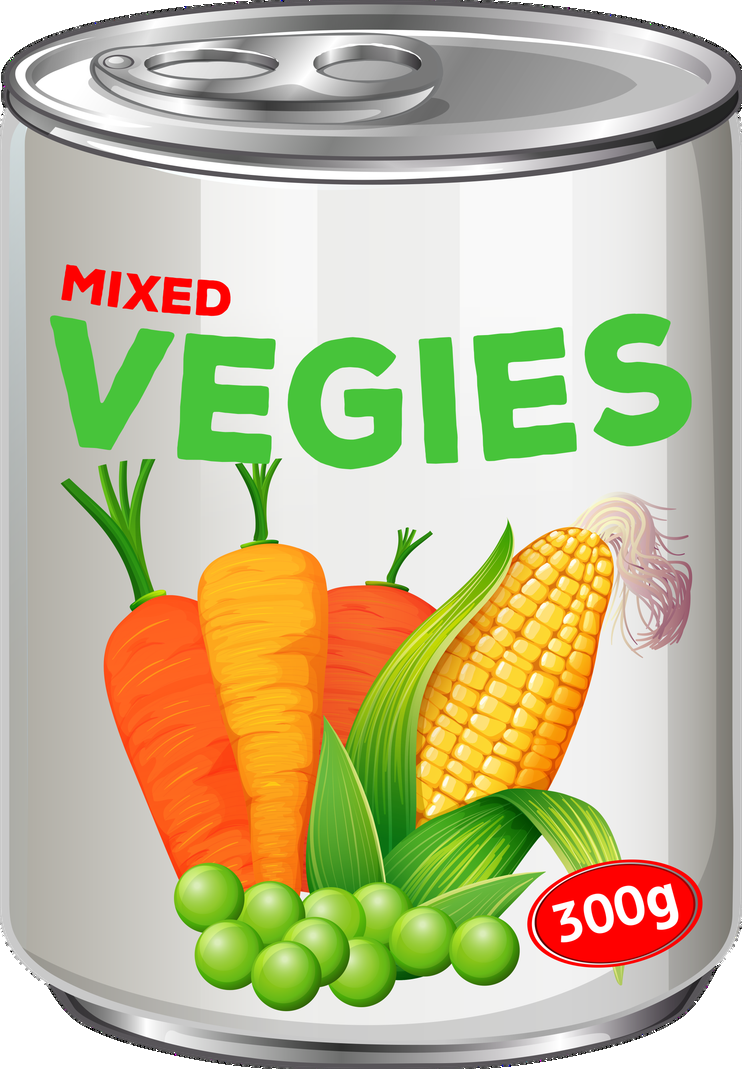
Buying canned foods can also make your groceries last longer. Opt for those with little or no added sugar or sodium4.
Getting Started with Small Steps
Changing your diet and paying attention to what you eat can be stressful, especially when you hear so many different ideas on what healthy eating looks like. Another misconception about healthy eating is that you must change everything about your diet all at once. Again, this is incorrect.
Instead of trying many new changes at once, pick one you like and try it. Once consistent, add others gradually. Sudden changes rarely last. Small, steady changes usually make the biggest difference.

Click on each section to learn about simple, yet effective ways you can use your nutrition to support your brain and heart health each day.
Eating Plate
Fatty Acids
Minerals
Probiotics
The Healthy Eating Plate
Canada's Food Guide provides recommendations on how to eat healthy to maintain good health20. Its suggestions cover many topics, such as cooking at home more often than eating out, eating your meals with loved ones, and limiting packaged foods, which are foods that are highly processed.
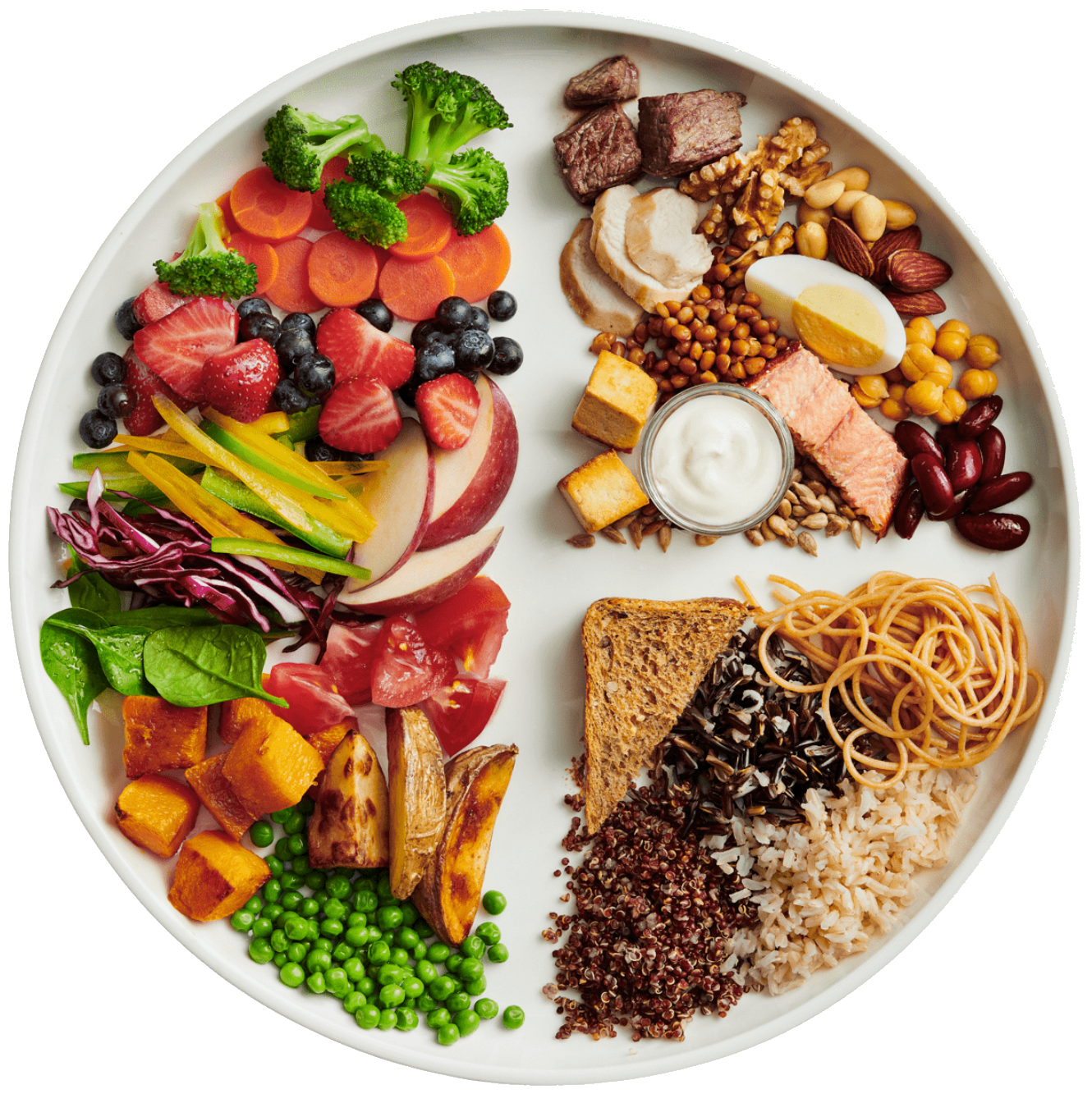
Another very helpful recommendation it provides is the Food Guide Snapshot, a visual diagram that displays what a healthy, well-balanced meal looks like.
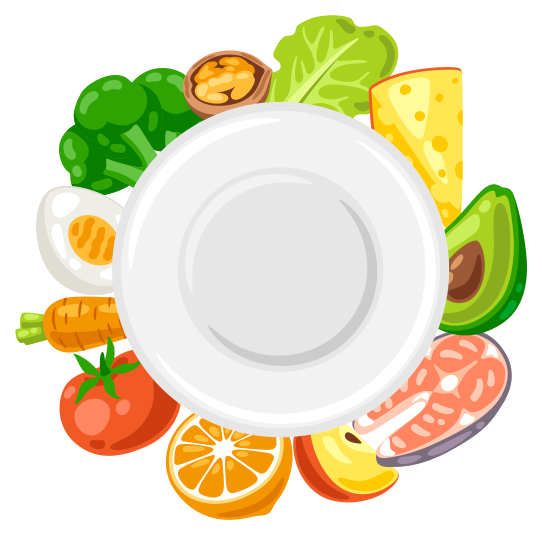
When serving yourself food, doing your best to follow the Food Guide Snapshot can help you ensure that the types and amounts of foods you choose make your plate a healthy one!
The foods found on a healthy eating plate are also those that are recommended by the Mediterranean Diet21.
Research shows that following these eating tips can help improve heart and brain health, help people live longer, and improve quality of life5. These recommendations can also lead to better heart health and lower inflammation7,8.
 Building a healthy plate is simple. All you need to do is pay attention to three types of foods:
Fruits and Vegetables
Remember that a healthy plate is a colourful plate. Aim to fill ½ of your plate with fruits and vegetables.
Try replacing sugary snacks with fruit and choose to eat whole fruits instead of fruit juices.
Protein-Rich Foods
Ensure that you get enough protein in your diet by building ¼ of your plate with foods high in protein.
If you eat meat, try including plant-based proteins into your diet too. Examples include nuts, beans, and seeds.
Wholegrain Foods
Wholegrain foods are a good source of fibre, which provides many heart health benefits. Examples of wholegrains include quinoa, brown rice, wholegrain oats, wholegrain pasta, and wholegrain bread.
When serving yourself wholegrain foods, try to keep their serving size to ¼ of your plate.
To learn more about Canada's Food Guide and the Healthy Eating Plate, check out this link. →
Omega-3 Fatty Acids
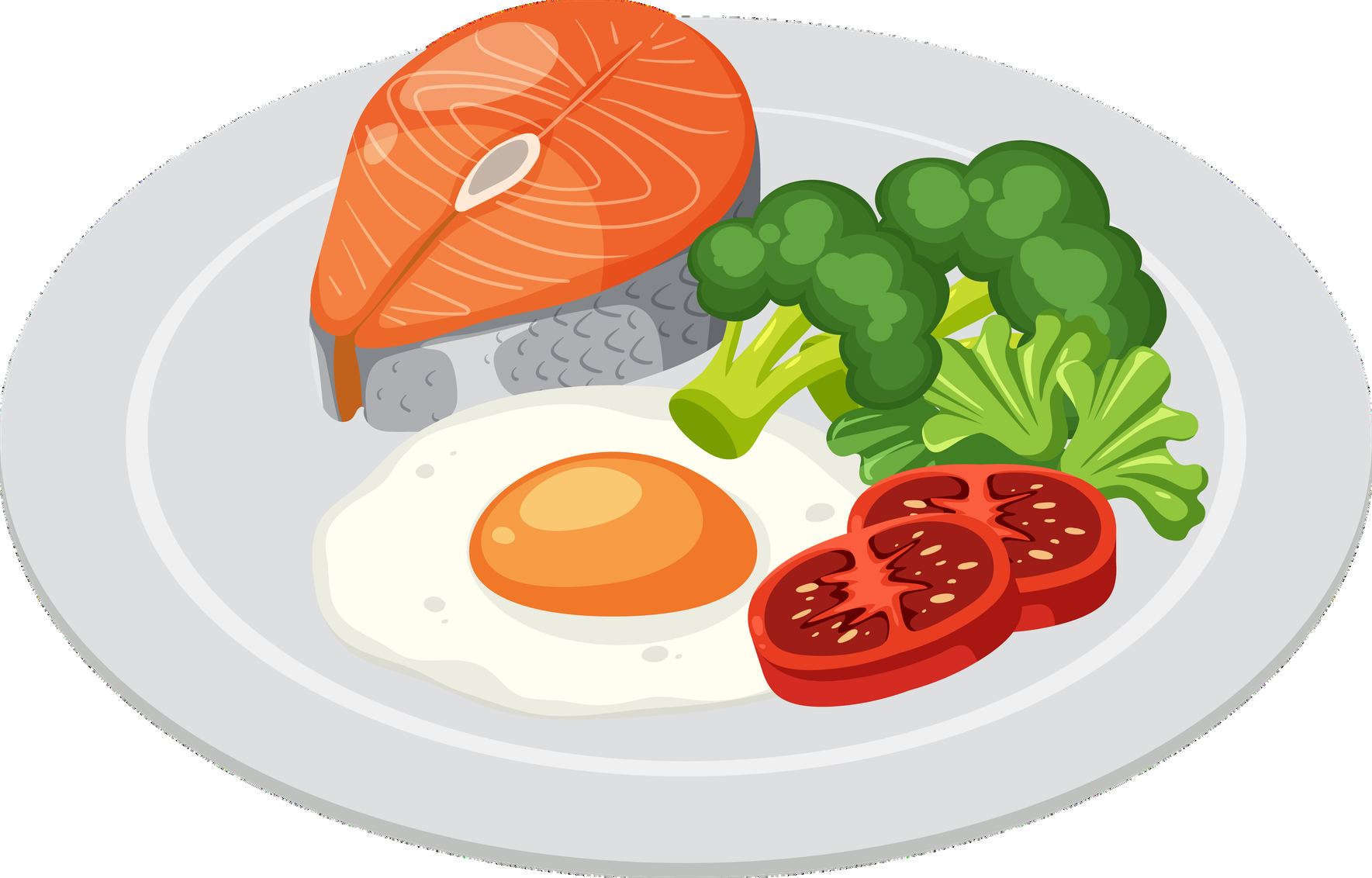
Omega-3 Poly Unsaturated Fatty Acids (Omega-3s) are a type of healthy fat found in certain foods. For people with heart failure, Omega-3s can help in several ways. They can lower depression, boost heart function, and reduce inflammation9. The Canadian Cardiovascular Society says that Omega-3s can be beneficial for heart failure patients. The European Society of Cardiology adds that they can help the mental well-being of chronic heart failure patients22,23.
Sources of Omega-3s24
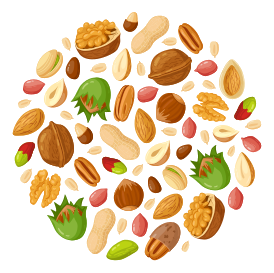
Fatty Fish: Salmon, mackerel, tuna, herring, sardines
Nuts & Seeds: Chia seeds, hemp seeds, ground flaxseeds, walnuts
Oils: Flaxseed, canola, soybean, walnut, olive
Other Sources: Kelp, wakame seaweed, omega-3 fortified products
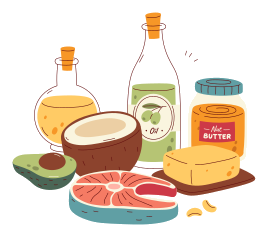
- Consider cooking your foods at home with olive oil
- Swap in flaxseed oil in your salad dressings, sauces, or dips
- Try purchasing foods fortified with Omega-3s on your next grocery shopping trip
- Sprinkle chia or ground flax seeds on oatmeal, salad, or yogurt parfait, or add them to your smoothies
Antioxidant Rich Foods
Antioxidants protect our cells from damage25. Vitamin C, Vitamin E and Beta-Carotene are antioxidants that have shown to be beneficial for people living with heart failure11. Research has found that heart failure patients who eat less antioxidants may face worse mental health26.
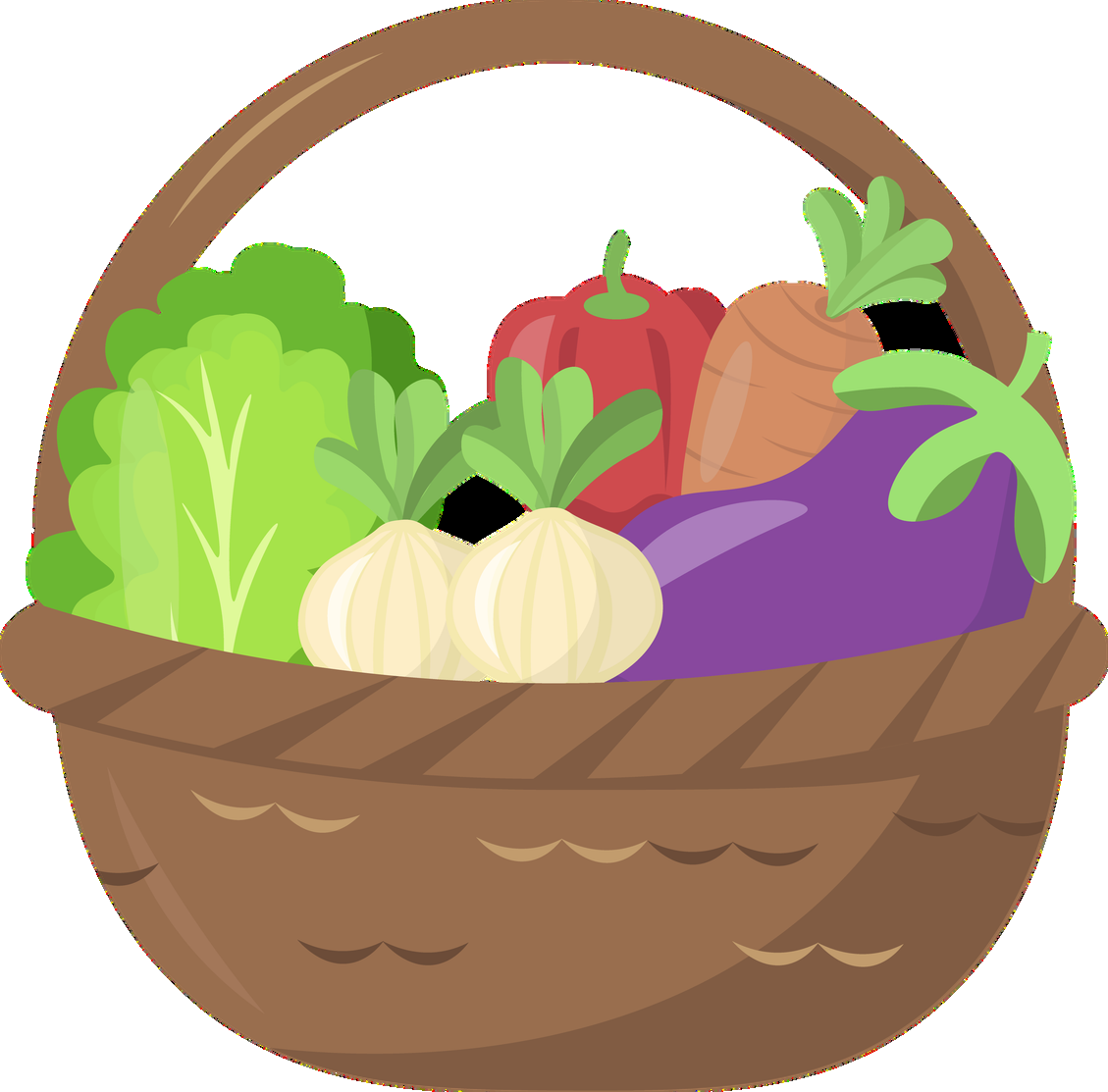
Antioxidants play a key role in managing heart failure. They cut down inflammation and oxidative stress, which helps improve heart function1.
Sources of Antioxidants26-28
Citrus Fruits
- Oranges
- Mandarins
- Limes
- Lemons
Vitamin C
- Strawberries
- Broccoli
- Tomatoes
- Red & green bell peppers
Vitamin E
- Almonds
- Sunflower Seeds
- Green leafy vegetables
Beta-Carotene
- Carrots
- Spinach
- Sweet potatoes
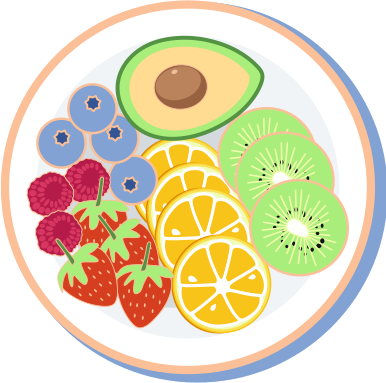
Eating a mix of green, orange, red, and yellow fruits and vegetables is a great way to get antioxidants and other important nutrients.
Try setting a goal to eat a new coloured fruit or vegetable each week. When in doubt, try making your plate as colourful as possible!
“I have changed my diet, my way of eating […] I really do watch my diet, eating proper foods, getting exercise […] [Diet and exercise] is definitely beneficial.”
— Adult with Heart Failure, Ontario
Vitamins and Minerals
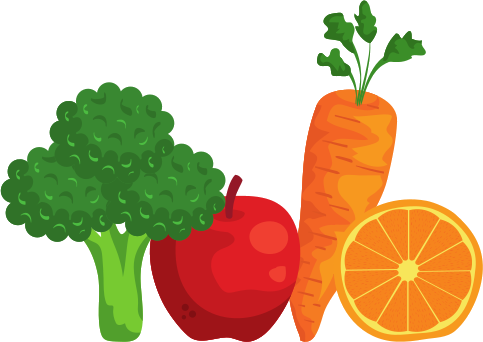
Vitamins and minerals play an important role in keeping your mind and body healthy. Vitamins D and K, folate, magnesium, selenium, iron, and zinc tend to be low in patients with heart failure12.
Low levels of these nutrients can hurt mental health and brain function and impact wound healing13-15.

It can lower how long a person lives, increase the risk of going to the hospital, and cause problems with appetite and taste12-14,29.

Iron has been shown to help reduce heart failure symptoms and improve quality of life11-16.
Studies show that Vitamin D can improve how well heart failure patients function and exercise11.

SUN
- Seeds (pumpkin, chia, sunflower)
- Nuts (brazil, cashews, pine nuts)
BRIGHT
- Beans (black, kidney, white, soy, baked)
- Green vegetables (spinach, kale, broccoli, brussel sprouts, lettuce, asparagus)
- Turkey, tuna, tofu, trout
PEACEFUL
- Peas (green, black-eyed), pumpkin
- Eggs
- Almonds, avocado
- Chicken, carrots, cabbage
- Fatty fish (salmon, mackerel), fortified foods
- Legumes
Many foods are rich in two or more of these minerals, making it easy to incorporate them in your diet. Use the phrase “The SUN is BRIGHT and PEACEFUL” to help you remember which foods are high in these nutrients!
Prebiotics and Probiotics
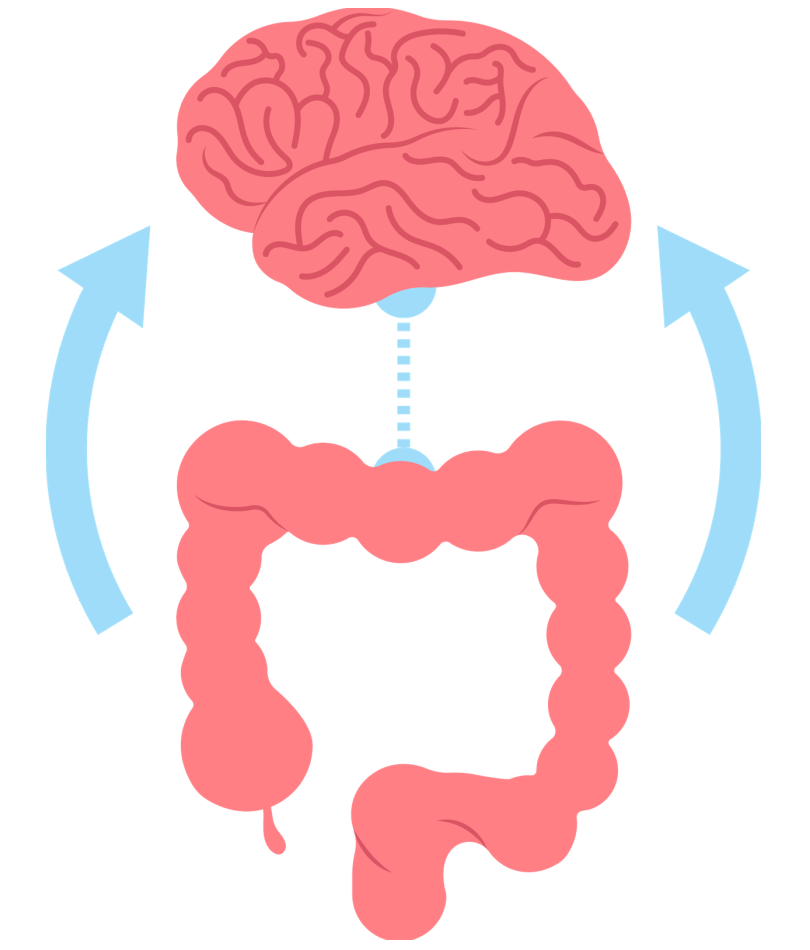
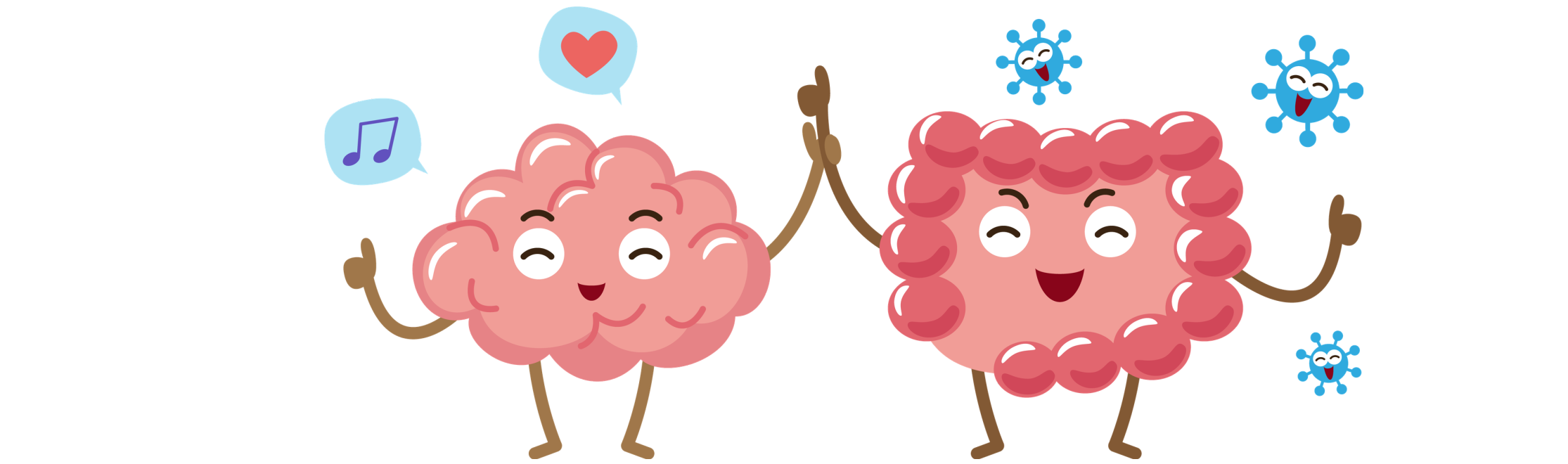
Our digestive system is the home of many microorganisms that are important for our health17. They are called the gut microbiome. An unhealthy gut microbiome is connected to various health problems, like heart failure17. There's also a connection between our gut microbiome and our brain18. Disruptions in our gut bacteria can lead to depression and anxiety18.
Probiotics
Probiotics are foods that contain good bacteria that are just like those living in our gut. Studies show that heart failure patients who eat probiotic yogurt can see improvements in artery health. They can also have better immune function and less inflammation1.
Along with yogurt, other sources of probiotics include kefir, kombucha, sourdough bread, certain cheeses, sauerkraut, pickles, kimchi, tempeh, and miso30.
Prebiotics
Prebiotics are foods that help nourish our gut bacteria and keep them healthy. Including prebiotics in our diet lets us enjoy the health benefits that our gut microbiome can offer us19.
Good sources of prebiotics are garlic, onions, bananas, soybeans, tomatoes, asparagus, and whole-grain products31.

Use fresh garlic and onions to add flavour to your favourite dishes.
Purchase wholegrain breads, pastas, and cereals. They contain fibre that supports our gut health.
When looking for a mid-day snack, have yogurt with fruit and nuts.
Try adding yogurt to your home-made sauce, marinade, and salad dressing recipes.
Self-Management Guide — Full PDF
Download the complete guide as a PDF to read offline or share with your care team.
Download PDF →References
- Yu X, Chen Q, Xu Lou I. Dietary Strategies and Nutritional Supplements in the Management of Heart Failure: A Systematic Review. Front Nutr. 2024;11:1428010. https://doi.org/10.3389/fnut.2024.1428010.
- Joseph Firth, James E Gangwisch, Emeran A Mayer. Food and mood: How Do Diet and Nutrition Affect Mental Wellbeing? BMJ. 2020;369:m2440. https://doi.org/10.1136/bmj.m2440.
- Canada's Food Guide [Internet]. Ottawa (ON): Health Canada; c2025 [cited 2025 Aug 18]. 10 reasons to buy frozen vegetables and fruits. Available from: https://food-guide.canada.ca/en/cooking-skills/10-reasons-buy-frozen-vegetables-fruits/.
- Canada Food Guide [Internet]. Ottawa (ON): Health Canada; c2025 [cited 2025 Aug 18]. Eight canned foods to keep on hand. Available from: https://food-guide.canada.ca/en/cooking-skills/eight-canned-foods-keep-hand/.
- Guasch-Ferré M, Willett WC. The Mediterranean diet and health: a comprehensive overview. J Intern Med. 2021;290(3):549–66. https://doi.org/10.1111/joim.13333.
- Mayo Clinic. Mediterranean Diet Pyramid: Guidelines for Adults [Internet]. Minnesota: Mayo Clinic; 2020 [cited 2025 Aug 18]. Available from: https://mcforms.mayo.edu/mc6800-mc6899/mc6815-01.pdf.
- Jiménez-Torres J, Jiménez-Juan C, Villa-Martínez A, Gutiérrez-García M, Moreno-Gaviño L, Aparicio-Santos R, et al. The Influence of Adherence to a Mediterranean Diet on Decompensation in Patients with Chronic Heart Failure. Nutrients. 2024;16(19):3278. https://doi.org/10.3390/nu16193278.
- Herrera-Martínez AD, Jiménez CM, Romo AN, Aguilera JL, Crespin MC, Baena BT, et al. Nutritional Support Reduces Circulating Cytokines in Patients with Heart Failure. Nutrients. 2024;16(11):1637. https://doi.org/10.3390/nu16111637.
- Nomali M, Heidari ME, Ayati A, Tayebi A, Shevchuk O, Mohammadrezaei R, et al. Omega-3 supplementation and outcomes of heart failure: A systematic review of clinical trials. Medicine. 2024 Jan 19;103(3):e36804. https://doi.org/10.1097/MD.0000000000036804.
- Kakutani N, Yokota T, Fukushima A, Obata Y, Ono T, Sota T, et al. Impact of citrus fruit intake on the mental health of patients with chronic heart failure. Journal of Cardiology. 2022;79(6):719–26. https://doi.org/10.1016/j.jjcc.2021.12.004.
- Aggarwal M, Bozkurt B, Panjrath G, Aggarwal B, Ostfeld RJ, Barnard ND, et al. Lifestyle Modifications for Preventing and Treating Heart Failure. J Am Coll Cardiol. 2018;72(19):2391–405. https://doi.org/10.1016/j.jacc.2018.08.2160.
- Driggin E, Cohen LP, Gallagher D, Karmally W, Maddox T, Hummel SL, et al. Nutrition Assessment and Dietary Interventions in Heart Failure. J Am Coll Cardiol. 2022;79(16):1623–35. https://doi.org/10.1016/j.jacc.2022.02.025.
- Song EK, Moser DK, Kang SM, Lennie TA. Association of Depressive Symptoms and Micronutrient Deficiency with Cardiac Event–Free Survival in Patients with Heart Failure. J Cardi Fail. 2015;21(12):945–51. https://doi.org/10.1016/j.cardfail.2015.10.007.
- Jujić A, Molvin J, Nilsson ED, Holm Isholth H, Dieden A, Korduner J, et al. Low Levels of Selenoprotein P Are Associated with Cognitive Impairment in Patients Hospitalized for Heart Failure. J Cardi Fail. 2024;30(11):1452–1461. https://doi.org/10.1016/j.cardfail.2024.01.010.
- Wleklik M, Uchmanowicz I, Jankowska-Polańska B, Andreae C, Regulska-Ilow B. The Role of Nutritional Status in Elderly Patients with Heart Failure. J Nutr Health Aging. 2018;22(5):581–588. https://doi.org/10.1007/s12603-017-0985-1.
- Beavers CJ, Ambrosy AP, Butler J, Davidson BT, Gale SE, Piña IL, et al. Iron Deficiency in Heart Failure: A Scientific Statement from the Heart Failure Society of America. J Cardi Fail. 2023;29(7):1059–1077. https://doi.org/10.1016/j.cardfail.2023.03.025.
- Petruzziello C, Saviano A, Manetti LL, Macerola N, Ojetti V. The Role of Gut Microbiota and the Potential Effects of Probiotics in Heart Failure. Medicina. 2024;60(2):271. https://doi.org/10.3390/medicina60020271.
- Appleton J. The Gut-Brain Axis: Influence of Microbiota on Mood and Mental Health. Integr Med (Encinitas). 2018;17(4):28–32. PMID: 31043907.
- Ghanbari F, Hasani S, Aghili ZS, Asgary S. The potential preventive effect of probiotics, prebiotics, and synbiotics on cardiovascular risk factors through modulation of gut microbiota: A review. Food Sci. Nutri. 2024;12(7):4569–4580. https://doi.org/10.1002/fsn3.4142.
- Canada's food guide [Internet]. Ottawa (ON): Health Canada; c2025 [cited 2025 Aug 18]. Welcome to Canada's Food Guide. Available from: https://food-guide.canada.ca/en/.
- The Nutrition Source [Internet]. Boston: Harvard T.H. Chan School of Public Health; c2025 [cited 2025 Aug 18]. The Healthy Eating Pyramid. Available from: https://nutritionsource.hsph.harvard.edu/healthy-eating-pyramid/.
- Ezekowitz JA, O'Meara E, McDonald MA, Abrams H, Chan M, Ducharme A, et al. 2017 Comprehensive Update of the Canadian Cardiovascular Society Guidelines for the Management of Heart Failure. Can J Cardiol. 2017;33(11):1342–1433. https://doi.org/10.1016/j.cjca.2017.08.022.
- Ladwig KH, Baghai TC, Doyle F, Hamer M, Herrmann-Lingen C, Kunschitz E, et al. Mental health-related risk factors and interventions in patients with heart failure: a position paper endorsed by the European Association of Preventive Cardiology (EAPC). European Journal of Preventive Cardiology. 2022;29(7):1124–1141. https://doi.org/10.1093/eurjpc/zwac006.
- National Institutes of Health. Omega-3 Fatty Acids Fact Sheet for Health Professionals [Internet]. Maryland: NIH; c2025 [cited 2025 Aug 18]. Available from: https://ods.od.nih.gov/factsheets/Omega3FattyAcids-HealthProfessional/.
- The Nutrition Source [Internet]. Boston: Harvard T.H. Chan School of Public Health; c2025 [cited 2025 Aug 18]. Antioxidants. Available from: https://nutritionsource.hsph.harvard.edu/antioxidants/.
- National Institutes of Health. Vitamin C Fact Sheet for Health Professionals [Internet]. Maryland: NIH; c2025 [cited 2025 Aug 18]. Available from: https://ods.od.nih.gov/factsheets/VitaminC-HealthProfessional/.
- National Institutes of Health. Vitamin E Fact Sheet for Health Professionals [Internet]. Maryland: NIH; c2025 [cited 2025 Aug 18]. Available from: https://ods.od.nih.gov/factsheets/VitaminE-HealthProfessional/.
- National Institutes of Health. Vitamin A and Carotenoids Fact Sheet for Health Professionals [Internet]. Maryland: NIH; c2025 [cited 2025 Aug 18]. Available from: https://ods.od.nih.gov/factsheets/VitaminA-HealthProfessional/.
- Lennie TA, Andreae C, Rayens MK, Song EK, Dunbar SB, Pressler SJ, et al. Micronutrient Deficiency Independently Predicts Time to Event in Patients With Heart Failure. J Am Heart Assoc. 2018;7(17):e007251. https://doi.org/10.1161/JAHA.117.007251.
- Harvard Medical School. Staying Healthy: How to Get More Probiotics [Internet]. Harvard Health Publishing. 2025 [cited 2025 May 22]. Available from: https://www.health.harvard.edu/staying-healthy/how-to-get-more-probiotics.
- Davani-Davari D, Negahdaripour M, Karimzadeh I, Seifan M, Mohkam M, Masoumi SJ, et al. Prebiotics: Definition, Types, Sources, Mechanisms, and Clinical Applications. Foods. 2019;8(3):92. https://doi.org/10.3390/foods8030092.