Supporting Your Heart and Mind Through Movement
If you’ve heard the phrase, “movement is medicine,” you are likely familiar with how important moving our bodies is for our overall mental and physical well-being. We can think of movement in two different ways: physical activity and exercise.

Physical Activity is any type of activity in which you move your body1. Examples include: walking around your home, doing household chores, and carrying your groceries2.
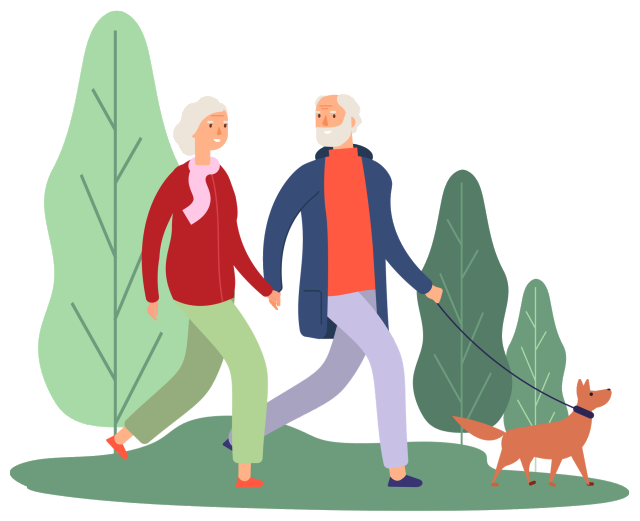
Exercise is any physical activity that you do on purpose2. This can include going for a walk, taking a dance class, lifting weights, or playing sports. Research shows that exercise is safe and helpful for people living with heart failure3.
What Do Heart Experts Recommend?
The Canadian Cardiovascular Society recommends exercise for people living with heart failure4. It can help improve symptoms and quality of life4. It can also lower the chances of needing to go to the hospital4.
In this section, you’ll learn a few proven ways to move your body. These strategies have also worked for other heart failure patients. If it works for them, it can work for you too. Just listen to your body, try your best, and have fun.
Quick Tip:
If the word “exercise” feels intimidating, think of it as simply moving your body in a way that feels good, at a pace that works for you.
Both Physical Activity and Exercise Are Important
Adding more movement into your day, whether through daily activities or planned exercise, can help improve your health. Any form of movement is better than no movement2. Even doing just a few minutes a day can have health benefits2.
But being active can be hard. There are many heart failure symptoms that make it harder to feel motivated to exercise. These include fatigue, shortness of breath, coughing, and wheezing5. Experiencing depression, anxiety, or feeling scared that exercise might make one’s symptoms worse are also common barriers that stop heart failure patients from exercising6. Luckily, regular exercise can help reduce many of these symptoms and feelings over time7.
How can exercise help your heart function? When you move your body, your heart has to pump more blood to your muscles3. The more you do this, the stronger your heart becomes3. Research shows that people living with heart failure who exercise often feel stronger and more able8.
Finding an exercise routine that works for you can make it easier and less stressful to start being active. This approach can help people living with heart failure stay committed to being active in the long term6,9.
Group exercise classes can help people living with heart failure adopt an active lifestyle for the long term9. It can also help lower feelings of depression and improve quality of life8,10.
Research has found that yoga can improve the mental health and quality of life of heart failure patients9,11. It can also help their heart and lungs work better9,11.
People living with heart failure who do Tai Chi often feel less depressed and more connected to others12,13. Tai Chi also improves their mood and emotional well-being12,13.
Aerobic exercises, such as walking, have been found to help people living with heart failure feel healthier, move better, and enjoy a higher quality of life6,14.
Strength training boosts heart health. It can improve feelings of depression and help heart failure patients complete their day-to-day tasks and responsibilities6,12.
Adapted and Modified Exercises

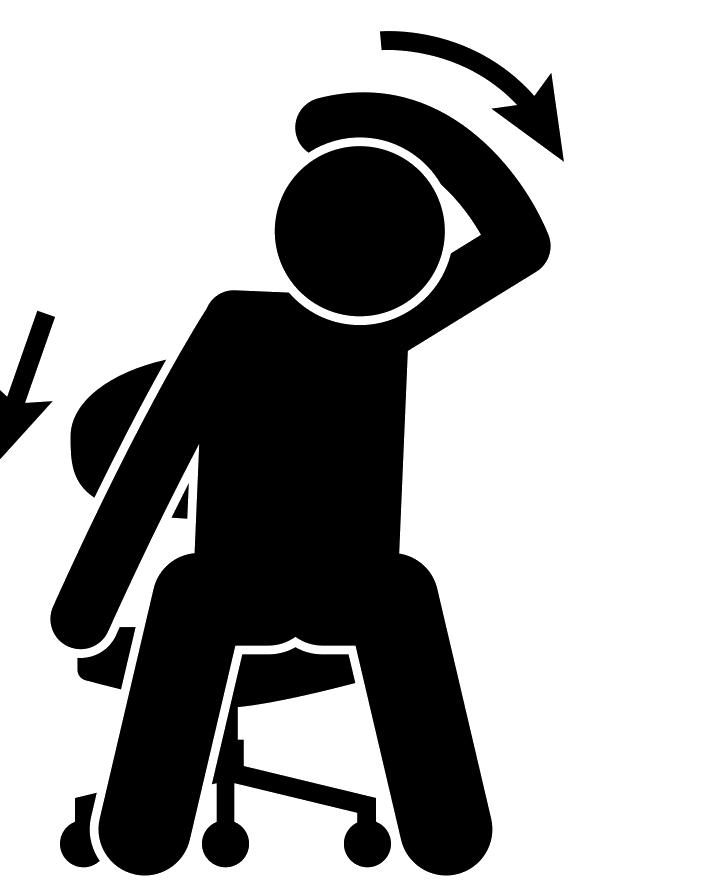
Low-intensity exercises are gentle activities that don’t put too much strain on your heart or body. They can be beneficial for people who experience more heart failure symptoms or who tire easily. Because these exercises are more manageable, it’s often easier to stick with them long-term. This helps you get the health benefits that come from regular movement6.
Quick Tips:
- Don’t be afraid to modify exercises to be low impact. Listen to your body, it knows best.
- Look for guidance to keep you safe and ensure that you are doing the movements correctly. You can do this by following along with online workout videos or going to in-person classes.
- Each day will be different. This is okay. If you have less energy one day, take it easy that day. There is no right or wrong way to stay active. What is best for you will change. Be open to this change.
- Remember that the best exercise routine is one that can be maintained in the long run. It is better to start small and continue than “go all in” right away and quit.
“This [chair exercise] class is changing their lives. These [heart failure patients] weren’t going out to their mailboxes, and then they took this class. […] Now they can play with their grandchildren […] The most positive feedback I get is for [this class].”
— Healthcare Provider, Ontario
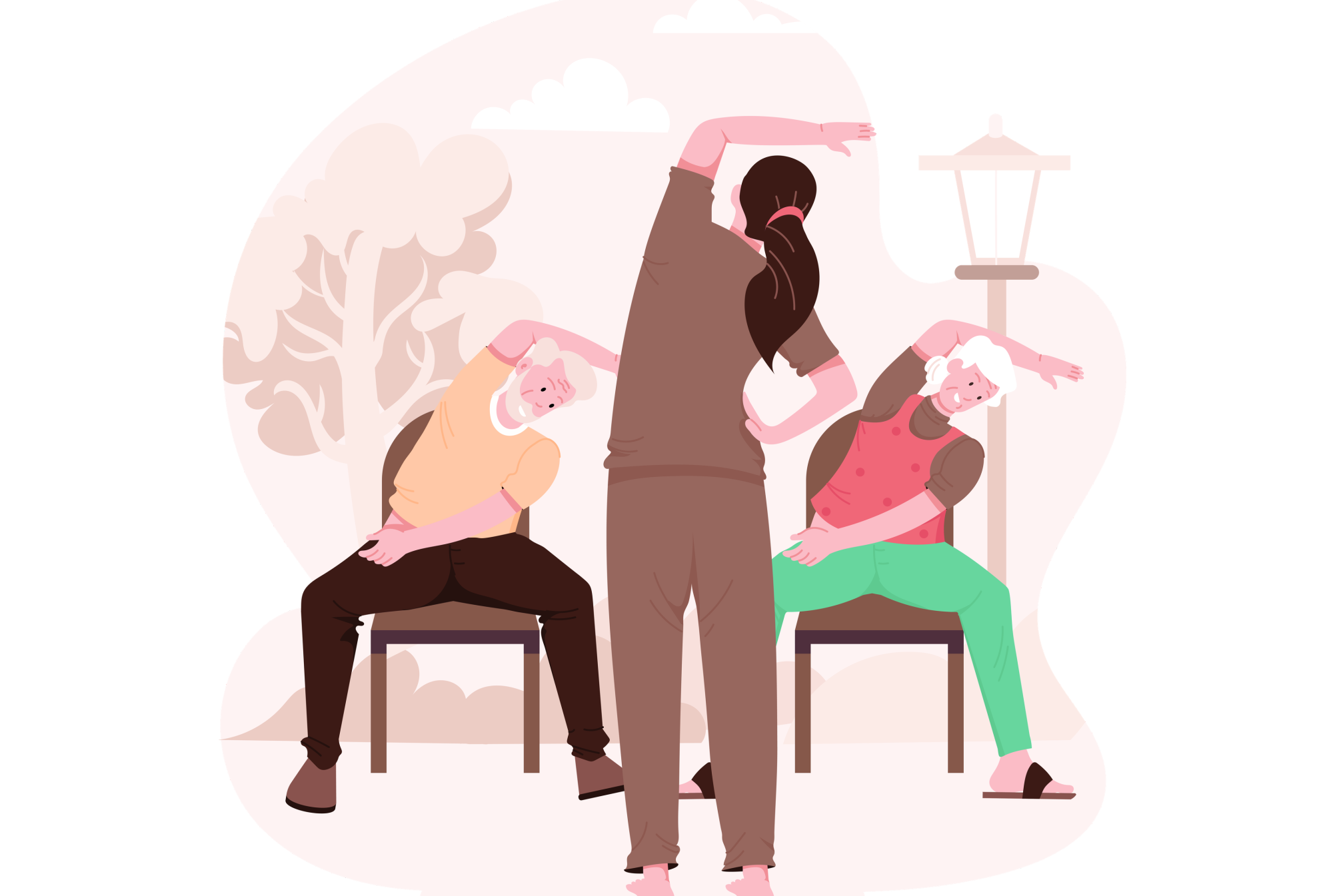
Click here to try a class from this program from the comfort of your own home.
Group Exercises
Solo vs. group exercise: which is better for you? You can exercise alone or with other people. Both are beneficial. Exercising with others can provide benefits that go beyond making our bodies strong — it gives you the chance to be social and make new friends.
Many experts believe the social aspect of group exercise is why leaving home to exercise is often better than solo routines for lowering feelings of depression8.
Exercising with others can help us stay motivated.

Research shows that heart failure patients are more likely to stick with a group exercise program when they get support from others and have chances to socialize9. Think about it this way: if other people are counting on you to show up, you will feel more motivated to stay on track6.
Studies have also found that when heart failure patients get care and support while exercising, their quality of life gets much better10.
Quick Tips:
- Explore group activities that interest you and invite a friend.
- Add movement to things you already do with loved ones — go for a light walk after dinner.
Read on to learn more about the different ways you can be active and social at the same time!
Quick Tips:
- Explore group activities that interest you and invite a friend to come along. Trying something new with someone you trust can ease nervous feelings and help you focus on enjoying yourself.
- You can also add movement to things you already do with loved ones. For example, instead of sitting and talking after dinner, go for a light walk at a pace where you can still talk. This helps you stay active, spend time together, and can even help your body digest your food better.
“Most patients who have undergone an exercise program do find that it’s helped a lot with their mood.”
— Healthcare Provider, Ontario
Yoga
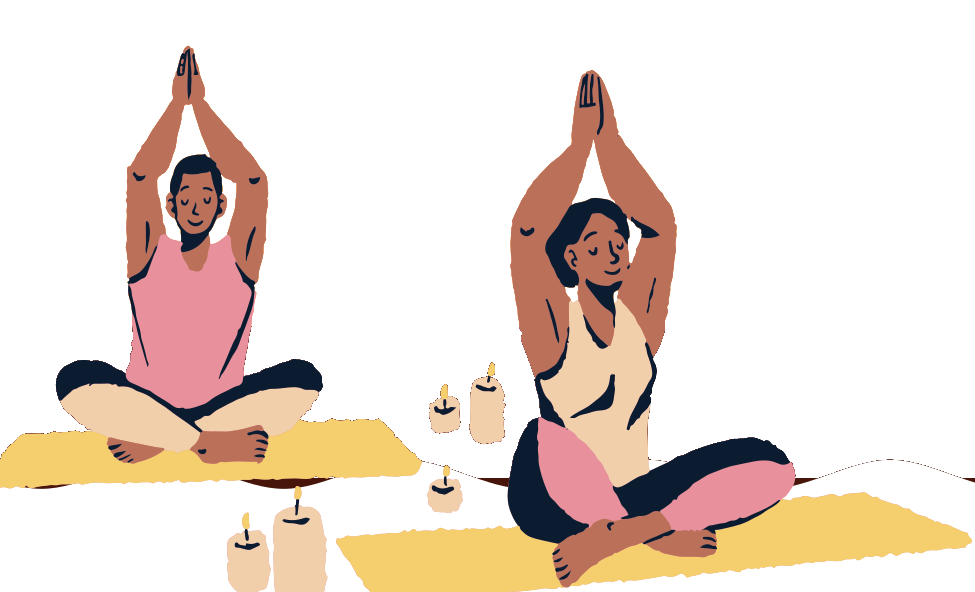
Yoga is an exercise that connects the mind and body. People who practice yoga move through different poses that stretch their muscles and build strength. As they hold these poses, they also focus on controlling their breath — calming the mind and giving the brain a mental workout11.
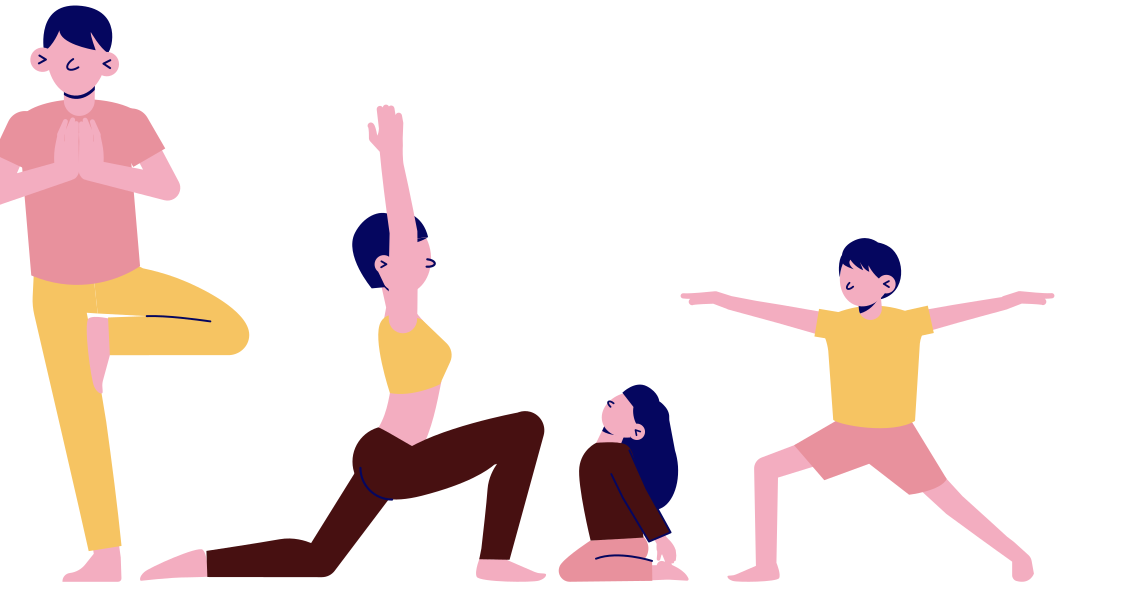
Research found that people living with heart failure who joined a yoga program experienced many health benefits9, including improvements in:
 Depression, anxiety, and stress.
Balance, strength, and endurance.
Breathing and pain.
Mobility and flexibility.
Many of these patients were also beginners to exercise9. This shows us that we don’t need to be perfect to start moving our bodies.
How to begin a regular yoga practice:
- Try signing up for a yoga class at your local gym, studio, or community centre.
- Look for free, follow-along yoga videos that you can do at home.
- Find some easy, beginner poses that look comfortable for you. Try incorporating them throughout the day, such as before bedtime.
Tai Chi
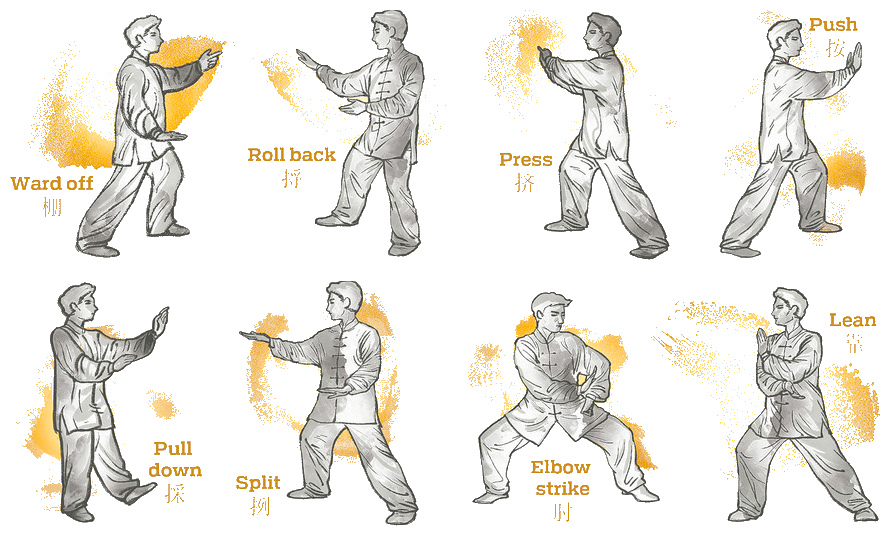
What is Tai Chi? Tai Chi is a type of low-impact exercise where people go through a series of slow movements15, keeping their muscles relaxed and taking deep breaths15.

Tai Chi and Heart Failure
For people living with heart failure, Tai Chi has been shown to help:
- Lower depression12,16,17.
- Improve sleep quality16.
- Help the heart pump blood better16,18.
- Boost functional capacity16,18.
- Enhance quality of life18.
Tai Chi and Mental Wellness: When people do Tai Chi, they are encouraged to pay attention to how their body feels while they move. Because this helps them calm the mind and focus on the present moment, Tai Chi is also seen as a type of mindfulness practice13,15,16.
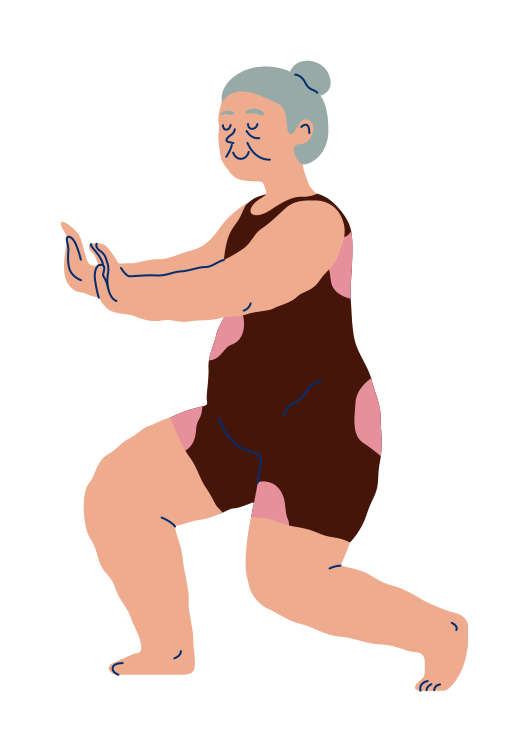
Tai Chi and Social Wellness
Tai Chi also helps patients living with heart failure take part in more social activities13. This is because it makes them feel better emotionally, which then gives them the confidence to do activities they enjoy more often13.
How to Begin a Regular Tai Chi Practice:
- Try signing up for a Tai Chi class at your local gym or community centre.
- Check out this 7-minute Tai Chi video for beginners. If you’re looking for a longer session, check out this 15-minute beginner Tai Chi video. Both are easy to follow along at home.
- Find some easy, beginner poses that look comfortable for you. Try incorporating them throughout the day, such as before bedtime.
Aerobic Exercise

Aerobic exercise is when you move your body in a way that keeps your heart working for a longer time. It makes your heart beat faster and helps improve heart health1.
This type of exercise is also called endurance exercise or cardiovascular exercise1. When people say they are doing “cardio,” they are talking about aerobic exercise.
For people living with heart failure, aerobic exercise boosts quality of life and their physical functionality6.


Walking and dancing are easy and fun ways to get more aerobic exercise in your daily routine. Other examples include swimming, bicycling, and jumping rope.
Walking
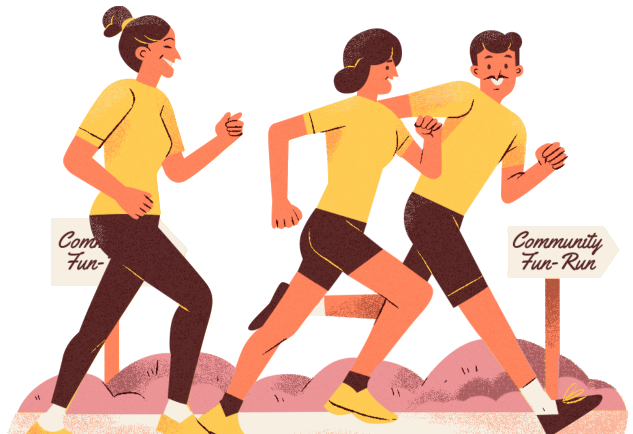
People living with heart failure who made an effort to walk more each day felt healthier. Setting goals and counting their steps helped them become more active. Walking has been shown to improve their quality of life and functional capacity.

Dancing
People with heart failure who joined a dance program had better heart health and quality of life6. They were also more motivated to stay active than the patients who joined other exercise programs6.
“I figured okay, I don’t want to be like this forever so I’m going to have to do some exercise. Swimming is something I’ve done my whole life. I really like swimming … Within a couple of weeks I could [swim in the deep end] and that was amazing.”
— Adult with Heart Failure, Ontario
Quick Tips:
- Try counting your steps to see what your usual movement level is. Each week, set a goal to increase your step count higher than your usual number. For example, try to get 500 more steps than the week before.
- Set an alarm on your phone that reminds you to move your body every hour. This will get you into the habit of breaking up long periods of sitting with some form of activity.
- Leave your workout clothes and exercise shoes somewhere you can see them. This will serve as a visual reminder to be active and make it easier to start.
Strength Training
Strength training is exercise that makes our muscles stronger.
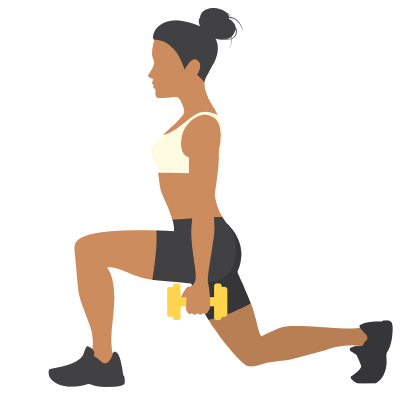
Strength training means making your muscles work by moving something heavy. This can be your own body weight, like when you do push-ups, sit-ups, or squats. You can also use equipment like dumbbells, resistance bands, or gym machines, to help build muscle.
Strength training improves the cardiovascular fitness and heart function of heart failure patients6.
Research shows that resistance band exercises can help reduce depression in people living with heart failure12.
It is also common for people living with heart failure to do a combination of strength training and aerobic exercise. This also provides many health benefits7,8,19. These include:
 Reduced depression symptoms.Improved physical functioning and mobility.Improved quality of life.Better muscle strength.Increased exercise capacity.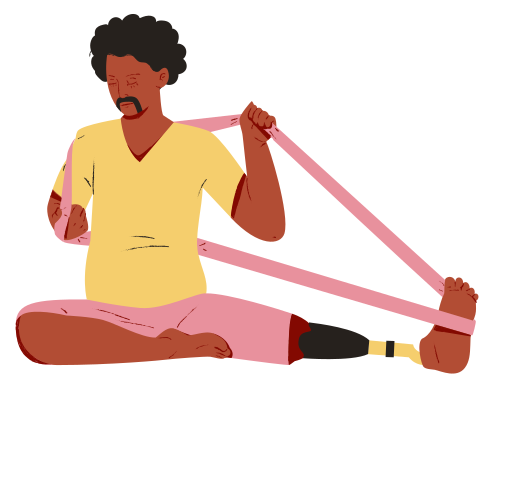
Quick Tips:
- Watch this video to learn more about strength training for people living with heart conditions.
- Go at your own pace. If you want to use weights, start off small and work your way up slowly. Body-weight exercises are just as good as using equipment.
- There are many great videos online that can teach you how to exercise safely. Look some up to help you get started.
- Take breaks when needed. Keep a bottle of water with you at all times and continue to sip on it as you go through your workout.
- If something doesn’t feel good, stop right away. If you’re unsure about something, chat with your healthcare provider to make sure how you choose to move your body is good for your health and your heart.
“[Exercise is] very much [helping my mental health].”
— Adult with Heart Failure, Ontario
Self-Management Guide — Full PDF
Download the complete guide as a PDF to read offline or share with your care team.
Download PDF →References
- Heart and Stroke Foundation of Canada. Heart & Stroke‑Living with Heart Failure: Activity [Internet]. Toronto (ON): Heart and Stroke Foundation of Canada; c2025 [cited 2025 Aug 18]. Available from: heartandstroke.ca
- Blomqvist A, Strömberg A, Lundberg M, Bäck M, Jaarsma T, Klompstra L. Exploring user experience: A qualitative analysis of the use of a physical activity support app for people with heart failure. Hasan N, editor. PLoS One. 2025;20(5):e0309577. doi:10.1371/journal.pone.0309577
- Ezekowitz JA, O’Meara E, McDonald MA, Abrams H, Chan M, Ducharme A, et al. 2017 Comprehensive Update of the Canadian Cardiovascular Society Guidelines for the Management of Heart Failure. Can J Cardiol. 2017;33(11):1342–433. doi:10.1016/j.cjca.2017.08.022
- Aggarwal M, Bozkurt B, Panjrath G, Aggarwal B, Ostfeld RJ, Barnard ND, et al. Lifestyle Modifications for Preventing and Treating Heart Failure. JACC. 2018;72(19):2391–405. doi:10.1016/j.jacc.2018.08.2160
- Morris JH, Chen L. Exercise Training and Heart Failure: A Review of the Literature. Card Fail Rev. 2019;5(1):57–61. doi:10.15420/cfr.2018.31.1
- Lancey A, Slater CE. Heart failure self-management: a scoping review of interventions implemented by allied health professionals. Disabil. Rehabil. 2024;46(21):4848–4859. doi:10.1080/09638288.2023.2283105
- Mirzai S, Sandesara U, Haykowsky MJ, Brubaker PH, Kitzman DW, Peters AE. Aerobic, resistance, and specialized exercise training in heart failure with preserved ejection fraction: A state-of-the-art review. Heart Fail Rev. 2025;30:1015–1034. doi:10.1007/s10741-025-10526-x
- Ladwig KH, Baghai TC, Doyle F, Hamer M, Herrmann-Lingen C, Kunschitz E, et al. Mental health-related risk factors and interventions in patients with heart failure: a position paper endorsed by the European Association of Preventive Cardiology (EAPC). Eur J Prev Cardiol. 2022;29(7):1124–1141. doi:10.1093/eurjpc/zwac006
- Platz K, Metzger M, Cavanagh C, Park L, Howie-Esquivel J. Initiating and Continuing Long-Term Exercise in Heart Failure: A Qualitative Analysis from the GEtting iNTo Light Exercise–Heart Failure Study. J Cardiovasc Nurs. 2025;40(3):E117–E126. doi:10.1097/JCN.0000000000001086
- Kyriakou M, Middleton N, Ktisti S, Philippou K, Lambrinou E. Supportive Care Interventions to Promote Health-Related Quality of Life in Patients Living with Heart Failure: A Systematic Review and Meta-Analysis. Heart, Lung and Circ. 2020;29(11):1633–1647. doi:10.1016/j.hlc.2020.04.019
- Dutta A, Mooventhan A, Nivethitha L. Yoga as Adjunct Therapy for Chronic Heart Failure: A Systematic Review and Meta-Analysis of Randomized Controlled Trials. Avicenna J Med. 2023;13(03):151–162. doi:10.1055/s-0043-1774738
- Redwine LS, Wilson K, Pung MA, Chinh K, Rutledge T, Mills PJ, et al. A Randomized Study Examining the Effects of Mild-to-Moderate Group Exercises on Cardiovascular, Physical, and Psychological Well-being in Patients With Heart Failure. J Cardiopulm Rehabil Prev. 2019;39(6):403–408. doi:10.1097/HCR.0000000000000430
- Luberto CM, Coey CA, Davis RB, Wayne PM, Crute S, Yeh GY. Exploring correlates of improved depression symptoms and quality of life following tai chi exercise for patients with heart failure. ESC Heart Fail. 2020;7(6):4206–4212. doi:10.1002/ehf2.13046
- Vetrovsky T, Siranec M, Frybova T, Gant I, Svobodova I, Linhart A, et al. Lifestyle Walking Intervention for Patients with Heart Failure with Reduced Ejection Fraction: The WATCHFUL Trial. Circulation. 2024;149(3):177–88. doi:10.1161/CIRCULATIONAHA.123.067395
- Harvard Medical School [Internet]. Boston: Harvard Health Publishing; c2025 [cited 2025 Aug 18]. Staying Healthy: The Health Benefits of Tai Chi. Available from: health.harvard.edu
- Hui J, Wang Y, Zhao J, Cong W, Xu F. Effects of Tai Chi on health status in adults with chronic heart failure: A systematic review and meta-analysis. Front Cardiovasc Med. 2022;9:953657. doi:10.3389/fcvm.2022.953657
- Zhao Z, Liu P, Jin J, Wang W. Effects of non-drug interventions on anxiety and depression in patients with heart failure: A systematic review based on Bayesian network meta-analysis. J Psychiatr Res. 2023;161:348–357. doi:10.1016/j.jpsychires.2023.02.039
- Gu Q, Wu SJ, Zheng Y, Zhang Y, Liu C, Hou JC, et al. Tai Chi Exercise for Patients with Chronic Heart Failure: A Meta-analysis of Randomized Controlled Trials. Am J Phys Med Rehabil. 2017;96(10):706–716. doi:10.1097/PHM.0000000000000723
- Kitzman DW, Whellan DJ, Duncan P, Pastva AM, Mentz RJ, Reeves GR, et al. Physical Rehabilitation for Older Patients Hospitalized for Heart Failure. N Engl J Med. 2021;385(3):203–216. doi:10.1056/NEJMoa2026141