 Social Well-Being: Supporting Your Brain-Heart Health by Connecting with Others
Social support refers to the relationships you have with the people around you1.
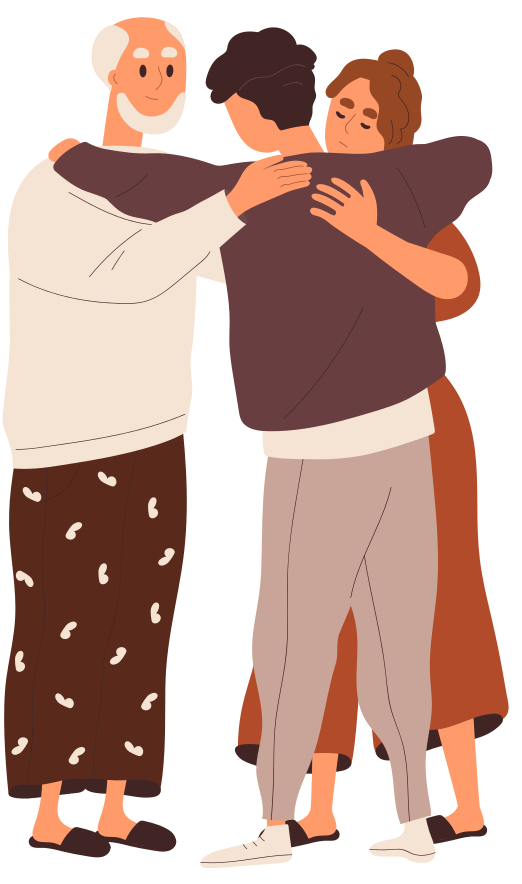
Research consistently shows that being supported by others benefits our mental and physical health1,2. The quality of our connections with our loved ones can be defined by a few things. This includes getting emotional support, like feeling appreciated and understood, as well as receiving advice, guidance, and helpful resources that help with everyday life1.
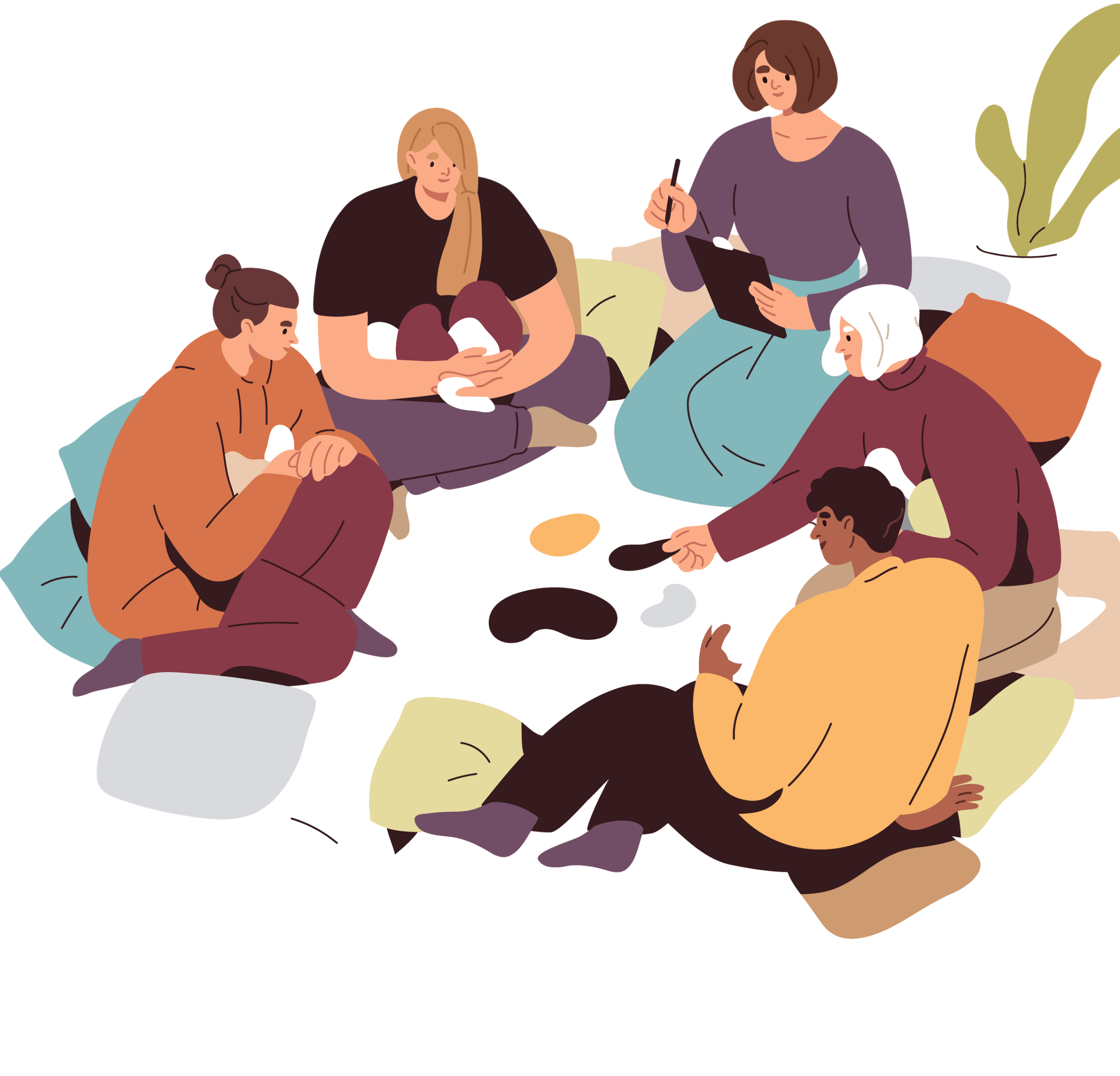
Being a member of a group, such as a book club or exercise program, is another way to feel more connected and involved with a community of other people who share similar interests and values1.
When we have good relationships with our loved ones, we know we have a place where we belong.
The Benefits of Social Support and Social Integration
People with more social support and connections experience less anxiety and depression2. Feeling supported by loved ones can also improve your stress management2. This is because it allows individuals to understand that they aren’t alone in the problems that they face2.

Social support and heart failure
Social support also strengthens resilience, which is the ability to bounce back from challenges3. Research shows that heart failure patients who receive higher levels of support from their family, relatives, friends, and social organizations tend to be more resilient3.
Given that a heart failure diagnosis presents many challenges, this research demonstrates how important it is for people living with heart failure to develop and maintain a strong social support network3.
This section offers a variety of simple and meaningful ways to stay connected and engaged. Try the strategies and tips that resonate most with you.
Maintaining strong connections with your loved ones
People living with heart failure who have good quality relationships with their loved ones tend to have better health and well-being4.
Leveraging the power of peer support
Joining a peer support group can boost heart failure patient’s motivation to practice self-care and live a healthier life5-7.
Staying involved in your community
For individuals living with heart failure, participating in community-based activities is a good way to improve overall well-being, connect with others, and have fun8-12.
Maintaining Strong Connections with Your Loved Ones
Maintaining healthy and happy connections with your loved ones is part of living a fulfilling life.

People living with heart failure who have good quality relationships with their loved ones tend to have better health and well-being4. Heart failure patients who are less socially isolated tend to have better mental health and take better care of themselves13,14.
Research also shows that heart failure patients are less likely to return to the hospital, live longer, and have fewer health problems when they have strong, supportive relationships with their caregivers13. This demonstrates how strong relationships can support both heart and brain health.
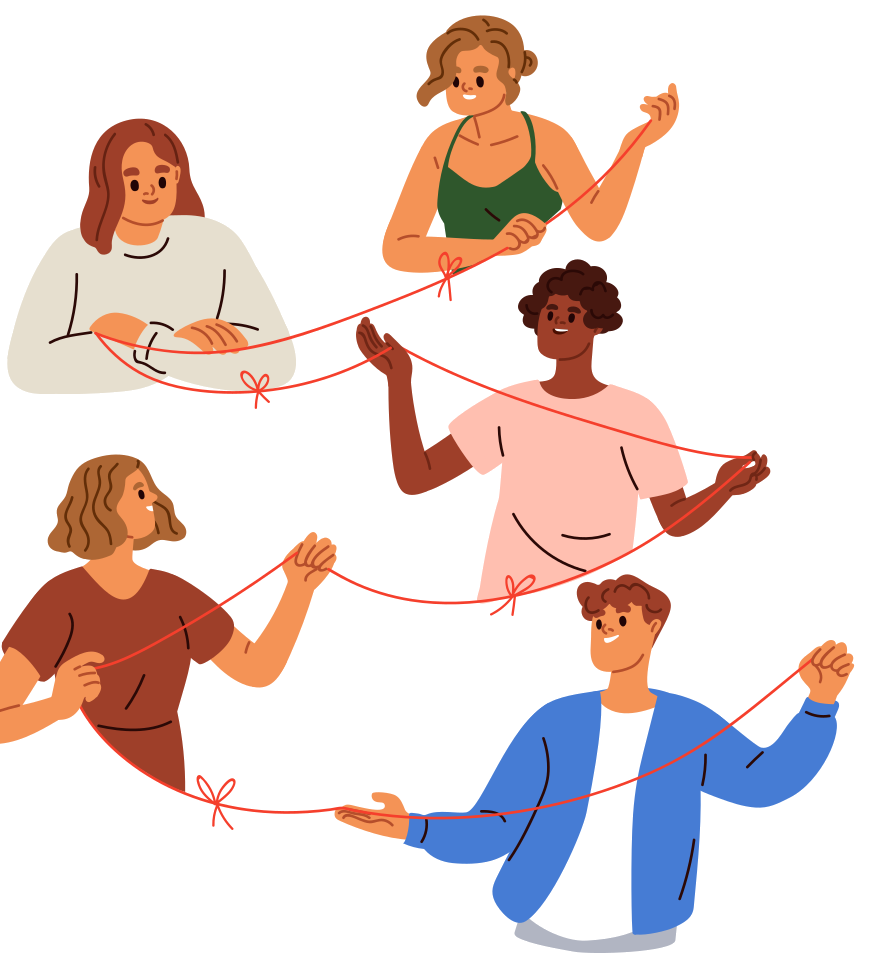
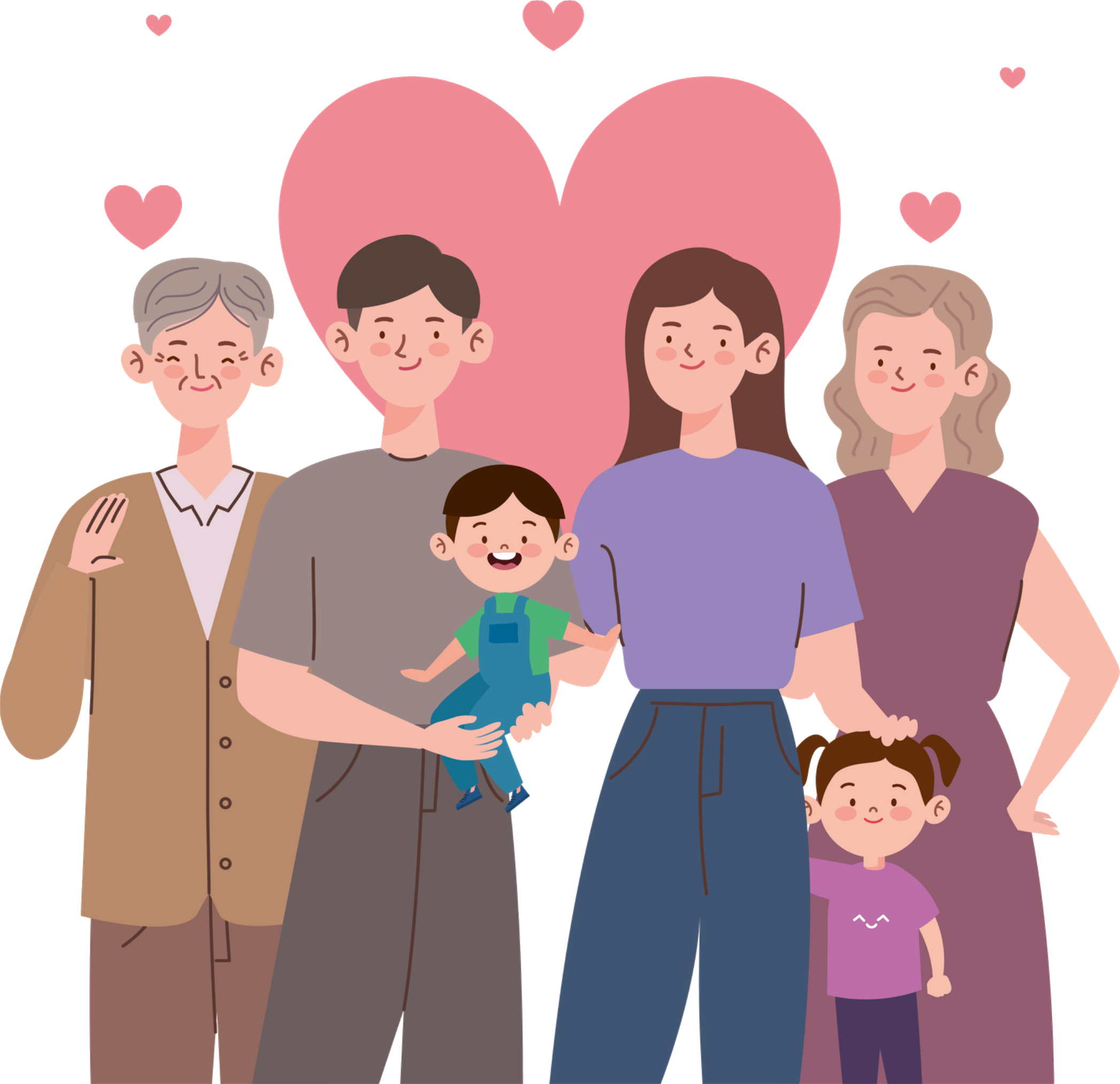
Research also shows the positive impact of caregivers. Loved ones play a central role in the journey of people living with heart failure, and building that bond strengthens both heart and brain health.
Our tips on how you can strengthen your relationships with your loved ones.
Tip #1: Practicing Healthy Communication
Our words are very powerful. What we choose to say makes a difference in how our lives play out. Since other people can’t read our minds, communicating how we feel and what we think can help our loved ones understand us better.

Because talking about our feelings can be uncomfortable, using a communication framework can help make it easier and give you a way to practice.
An example of this is the use of “I Statements” that are paired with an open-ended question to get the conversation going15.
Structuring “I Statements15”
The goal of this model is to help people express themselves in a kind and compassionate way. Instead of blaming, guessing, or avoiding the person we’re upset with, it encourages us to say how we feel. This also opens the floor for the other person to do the same.

Feeling
The emotion you feel
Situation
The event that led to this feeling
Brief Explanation
Why you feel this way
Open-ended Question
Invite the other person to share
The Principles of Non-Violent Communication
“I Statements” touch on the principles of non-violent communication, which highlight four important components to mention during conversations16-18:
- Observations: Objectively stating what is happening without placing any judgment.
- Feelings: Expressing how we feel about what is happening.
- Needs: What your requirements are regarding the situation and your feelings about it.
- Requests: Asking for what you need.

An example of an I Statement hitting all 4 areas of non-violent communication:
“I noticed that you didn’t ask me how my heart failure appointment went.
This makes me feel disappointed because it makes it seem like I am all alone in dealing with my heart failure symptoms.
To help me adjust to my new diagnosis, I would like your love and support.
Can you please be more involved in my treatment journey?”
“I Statements” can also be used to express positive emotions.
An example situation:
Sasha’s partner plans out their weekly schedule and ensures that all her heart failure-related tasks and appointments are listed in the calendar so they don’t forget anything.
A possible response:
“I feel so loved and supported when you add my doctor’s appointment to our kitchen calendar because it shows me that you care for my well-being. What are some ways I can support you and your health?”
Sharing that you felt good when your loved one did something can motivate them to continue doing things that make you happy.

To learn more about non-violent communication, check out this link18.
Tip #2: Find an Activity You and Your Loved Ones Enjoy or Can Work on Together
Research with older adults shows that engaging in meaningful, goal-oriented activities with others helps reduce feelings of social isolation. It works better than just doing passive activities together, such as watching TV14.


This might mean inviting them to complete a puzzle with you, where you both feel a sense of achievement, or even baking treats together for a family gathering for everyone to enjoy together.
Tip #3: Staying Connected Remotely
Even though staying connected is good for us, it can be hard to find the energy or motivation to make plans and be social14. Heart failure symptoms like fatigue, shortness of breath, and mobility issues can make socializing more difficult. Luckily, staying connected remotely, such as through your phone, is still beneficial19.
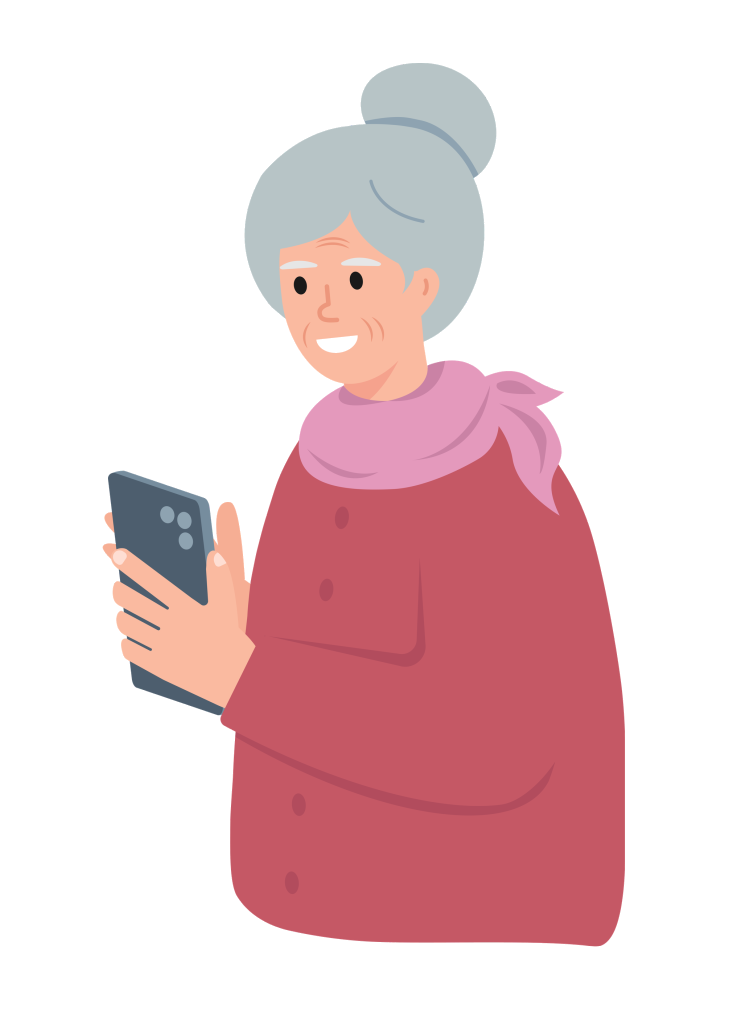

Research shows that older adults who use their phones or tablets to talk with friends and family tend to feel more connected and supported19. They also find it enjoyable and meaningful to keep in touch in this way19. So, if you’re not feeling up to meeting in person, connecting virtually, such as through a video call or phone call, are great ways to maintain strong relationships.
Some days you’ll have more energy for higher-commitment activities, and other days you may need to step back and connect from home. Both are perfectly okay.
Leveraging the Power of Peer Support

Humans are social beings, and the brain is a social organ5,6.
This means we grow and function best when we feel connected to others. Social connection is so important to our overall health that some healthcare practitioners have started to engage in social prescription, where they prescribe time for social connection and activities to their patients5.

A research study on people living with heart failure found that peer support groups were very helpful and had a very positive impact on their motivation to engage in heart failure self-care7,14.
“The women peer group was stellar because you’re talking with a bunch of people that have experienced [...] what you’re experiencing [...] and [this program] had a very strong emphasis on the mental health side [of heart failure] [...]. I want to become one of those [program] facilitators because it helped me so much.”
— Adult Living with Heart Failure, Ontario


Being part of a peer support group also helped people living with heart failure stay accountable towards making healthy lifestyle changes7. The research also found that it was easier for heart failure patients to open up to peers who were living with their own set of health conditions7. This is because these friends understood their heart failure experiences better7.

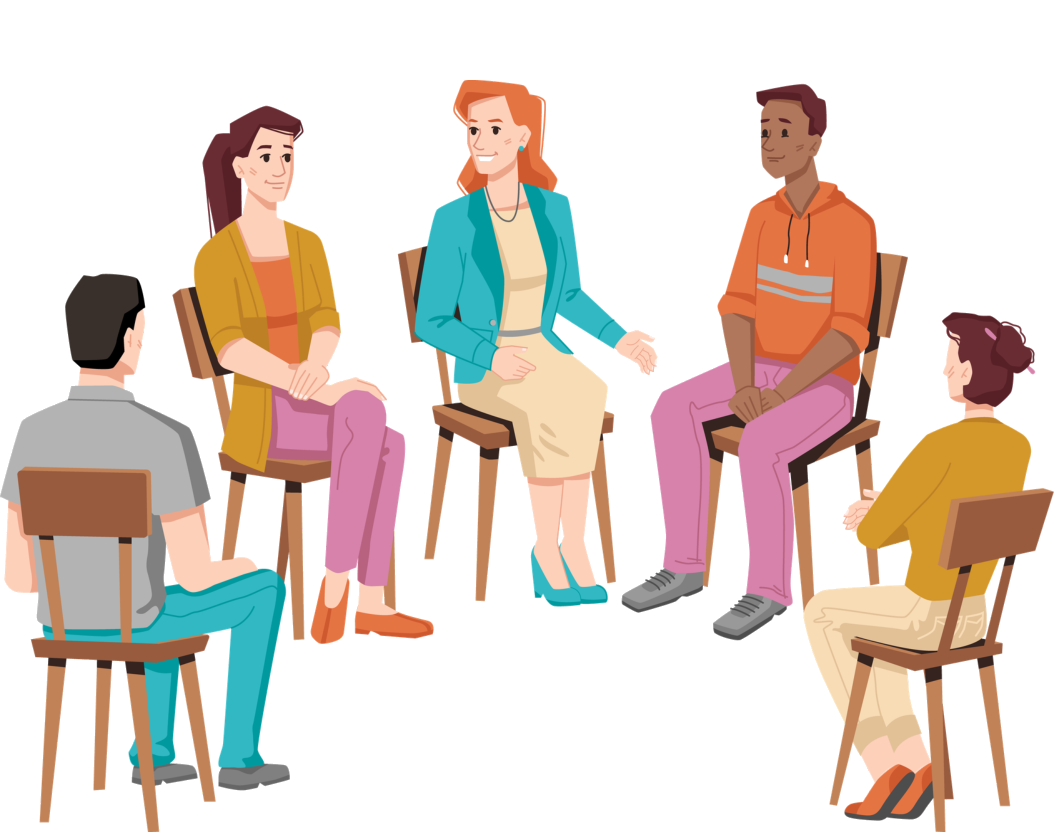
Consider joining a peer support group for people living with heart failure. If a weekly commitment doesn’t suit your schedule, look for drop-in options instead. Many groups are also available online or through social media. If attending in person feels like too much, you can look into joining virtually.
To explore peer support group offerings near you, check out this link.
Staying Involved in Your Community

According to psychology, love and belonging is a basic human need5. When we feel like we’re part of something bigger than ourselves, it can help us live life more fully5. Being part of a group can boost your health by helping you feel connected and less alone5,8.
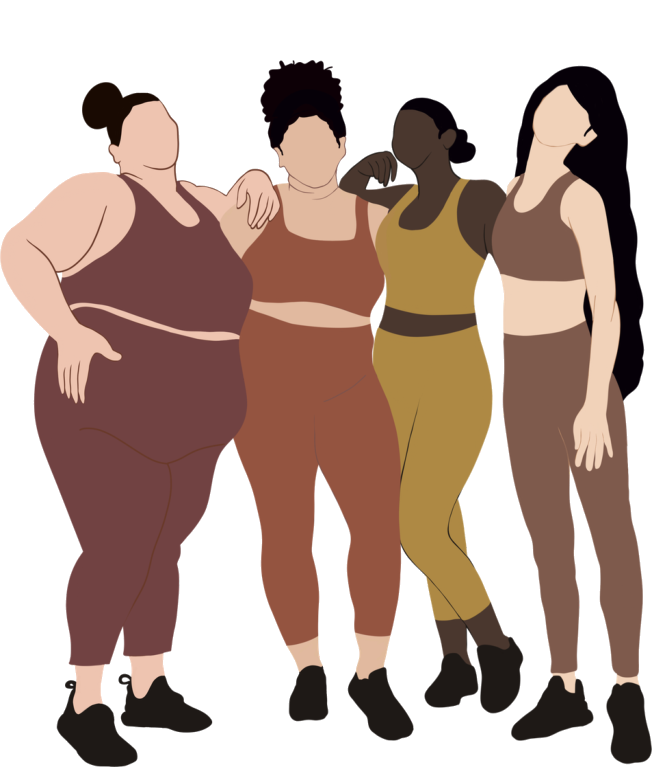

Community activities are a great way to meet others and do something you enjoy. Examples of group-based activities are listed below.
Aquatic Exercise
Also known as aqua fitness, aquatic exercise helps improve the quality of life of patients with stable heart failure9. It can also boost exercise capacity and muscle strength9. For those who can’t do land-based workouts, it’s a safe and effective option9.

Choral Singing
Research has found that singing in a choir can instill feelings of social support and inclusion, emotional well-being, a sense of accomplishment, and personal growth10. Among patients living with heart disease, participating in a choir led to improvements in their quality of life and their respiratory muscle strength11.
Given that one cause of the reduced exercise capacity that heart failure patients experience is due to respiratory muscle weakness, singing in a choir is also a good way for heart failure patients to stay physically healthy11.

Singing in a choir strengthens respiratory muscles — which are often weakened in heart failure patients — making it a uniquely heart-healthy activity.
Book Club
Older adults participating in shared reading activities had improvements in their social relationships and community support12. It also supported their psychological health and well-being, including reducing their perceived stress12.

Self-Management Guide — Full PDF
Download the complete guide as a PDF to read offline or share with your care team.
References
- DrDrageset J. Social Support. In: Haugan G, Eriksson M, editors. Health Promotion in Health Care – Vital Theories and Research. Cham: Springer International Publishing; 2021. p. 137–144.
- Acoba EF. Social support and mental health: the mediating role of perceived stress. Front Psychol. 2024;15:1330720. https://doi.org/10.3389/fpsyg.2024.1330720.
- Ma C. Impact of Social Support on Physical Activity in Adults with Heart Failure: The Mediating Effect of Resilience. Clin Nurs Res. 2023;32(3):660–668. https://doi.org/10.1177/10547738221128700.
- Hooker SA, Grigsby ME, Riegel B, Bekelman DB. The Impact of Relationship Quality on Health-Related Outcomes in Heart Failure Patients and Informal Family Caregivers: An Integrative Review. Eur J Cardiovasc Nurs. 2015;30(4S):S52–63. https://doi.org/10.1097/JCN.0000000000000270.
- Martino J, Pegg J, Frates EP. The Connection Prescription: Using the Power of Social Interactions and the Deep Desire for Connectedness to Empower Health and Wellness. Am. J. Lifestyle Med. 2017;11(6):466–475. https://doi.org/10.1177/1559827615608788.
- RF. Teaching and Learning with the Social Brain in Mind. J. Educ. Strateg. Issues Ideas. 2020;93(2):100–106. https://doi.org/10.1080/00098655.2020.1716670.
- Meeker D, Goldberg J, Kim KK, Peneva D, Campos HDO, Maclean R, et al. Patient Commitment to Health (PACT-Health) in the Heart Failure Population: A Focus Group Study of an Active Communication Framework for Patient-Centered Health Behavior Change. J Med Internet Res. 2019;21(8):e12483. https://doi.org/10.2196/12483.
- Houle J, Adams AM, Norris C, Sharma A, Pilote L. Social Determinants of Health, Adherence, and Outcomes in Heart Failure: The Role of Social Prescribing. Can J Cardiol. 2024;40(6):973–5. https://doi.org/10.1016/j.cjca.2023.12.035.
- Adsett JA, Mudge AM, Morris N, Kuys S, Paratz JD. Aquatic exercise training and stable heart failure: A systematic review and meta-analysis. Int J Cardiol 2015;186:22-28. https://doi.org/10.1016/j.ijcard.2015.03.095.
- Fernández-Herranz N, Ferreras-Mencia S, Arribas-Marín JM, Corraliza JA. Choral singing and personal well-being: A Choral Activity Perceived Benefits Scale (CAPBES). Psychol. Music. 2022;50(3):895–910. https://doi.org/10.1177/03057356211026377.
- Ganzoni C, Arslani K, Pfister O, Freese M, Strobel W, Mueller C, et al. Choir singing improves respiratory muscle strength and quality of life in patients with structural heart disease – HeartChoir: a randomised clinical trial. Swiss Med Wkly. 2020;150(3738):w20346. https://doi.org/10.4414/smw.2020.20346.
- Milani C, Biagi C, Palmieri E, Rosi C, Buresta D, Iocca F, et al. Shared reading interventions to promote psychosocial well-being in older adults: a systematic review. Health Promot. Int 2025;40(2):daaf036. https://doi.org/10.1093/heapro/daaf036.
- Yang W, Sun L, Hao L, Zhang X, Lv Q, Xu X, et al. Effects of the family customised online FOCUS programme on patients with heart failure and their informal caregivers: a multicentre, single-blind, randomised clinical trial. eClinicalMedicine. 2024;69:102481. https://doi.org/10.1016/j.eclinm.2024.102481
- Platz K, Cavanagh CE, Metzger M, Park LG, Howie-Esquivel J. Effects of Social Isolation and Loneliness on Heart Failure Self-care: A Cross-sectional Analysis. J Cardiovasc Nurs. 2025;40(3):218–27. https://doi.org/10.1097/JCN.0000000000001123.
- Therapist Aid. “I” Statements Communication Skill Worksheet [Internet]. Jacksonville: Therapist Aid; c2025 [cited 2025 Aug 18]. 1 p. Available from: https://www.therapistaid.com/therapy-worksheet/i-statements.
- The Centre for Non-Violent Communication (CNVC) [Internet]. Austin: CNVC; c2025 [cited 2025 Aug 18]. Marshall Rosenberg: The Creator of Nonviolent Communication. Available from: https://www.cnvc.org/about/founder.
- Adriani PA, Hino P, Taminato M, Okuno MFP, Santos OV, Fernandes H. Non-violent communication as a technology in interpersonal relationships in health work: a scoping review. BMC Health Serv Res. 2024;24(1):289. https://doi.org/10.1186/s12913-024-10753-2.
- CultureAlly [Internet]. Toronto (ON): CultureAlly. c2025 [cited 2025 Aug 19]. A Guide to Non-violent Communication. Available from: https://www.cultureally.com/blog/nonviolent-communication-a-guide-to-empathetic-conversation.
- Suragarn U, Hain D, Pfaff G. Approaches to enhance social connection in older adults: an integrative review of literature. AHR. 2021;1(3):100029. https://doi.org/10.1016/j.ahr.2021.100029.