Daily Wellness
Everyday choices for a balanced lifestyle and optimal brain-heart health
The choices that we make each day can bring us closer, to or farther from, our health goals.
A great deal of research points to the fact that our health is influenced by many lifestyle factors. These lifestyle factors can affect how long we live and how we feel, both physically and mentally1-3.
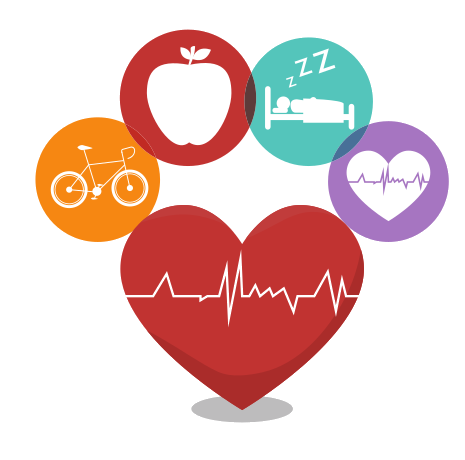
Our heart health affects our brain health, and the daily decisions we make can help us live longer and healthier lives4.
Making healthy changes in areas like sleep, positive thinking, quitting smoking, drinking less alcohol, spending time in nature, and doing meaningful activities can improve mental well-being for people with heart failure.5-11
This section will walk you through each of these areas and show you ways to make more informed choices that will benefit your health in the long run.
— Adult Living with Heart Failure, Ontario

What’s in This Section
Smart
Harmful
Habits
Time in
Nature
in Meaningful
Activities
Sleeping Smart

When considering that we spend one-third of our entire lives sleeping, it becomes clear that having sufficient sleep is a fundamental part of living a healthy lifestyle22,23. A good night’s sleep is very important for our mental health3,10. People who feel well-rested tend to have better control of their emotions, stronger brain function, and less anxiety and depression3,10.
Poor sleep can worsen the physical and mental health of people living with heart failure24. It is linked to:
- Worse heart failure symptoms24
- A lower quality of life5,24
- Increased risk of depression24
- Feelings of anger and irritation24
- Low levels of energy and motivation to complete daily tasks24
- Problems with brain function, such as concentration and memory24
What does it mean to have poor sleep?
Signs of poor quality sleep include waking up too early, feeling sleepy throughout the day, and experiencing fatigue24. Poor quality of sleep also refers to experiencing issues falling asleep, staying asleep, or going back to sleep after waking up in the middle of the night5,24,27.
Canadian experts recommend sleeping 7-9 hours per night for adults aged 18-64 and 7-8 hours per night for individuals 65 years of age and older25,26.
Poor sleep is common in people living with heart failure5,27. Symptoms like pain, trouble breathing, or waking up at night can make it hard to get enough rest, which makes it difficult to manage heart failure day to day5. This underscores the importance of finding ways to engage in heart failure self-care.
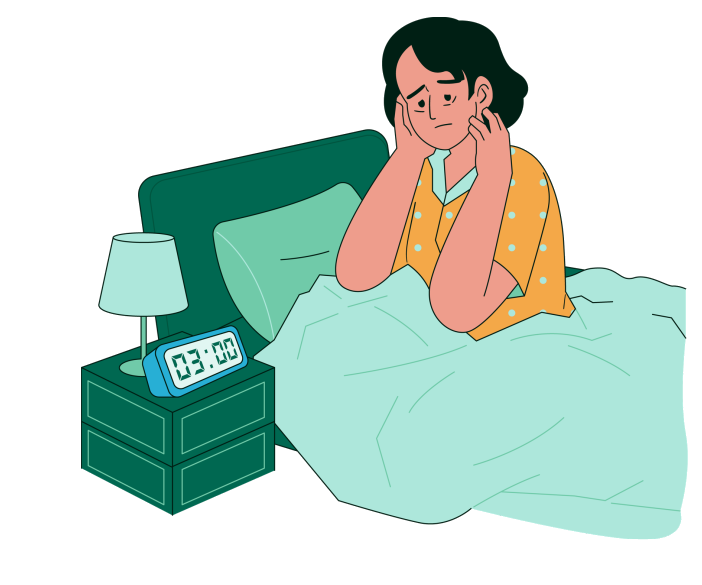
Mental health is another important factor that can influence sleep quality in people with heart failure
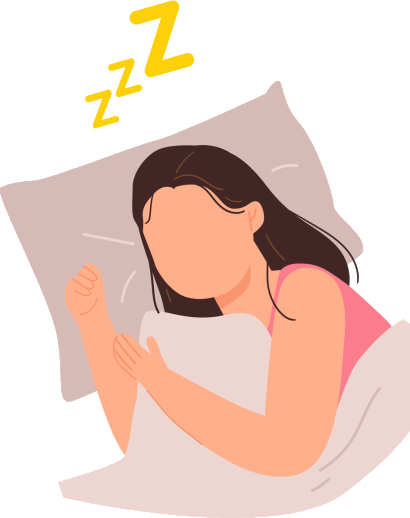
Poor sleep increases the risk of depression among people with heart failure, which can worsen sleep quality5. Stress and sleep are interconnected: poor sleep hinders stress management and increases feelings of anxiety, which then further impacts sleep quality.
The Canadian Cardiovascular Society recommends paying attention to sleep hygiene in heart failure patients6.
Research on sleep hygiene interventions among these patients found that those who learned strategies to overcome sleep challenges experienced significantly better sleep quality and adopted habits conducive to good sleep11.
Helpful Tips to Improve Your Sleeping Habits
Tip #1: Make a to-do list
Research shows that feelings of stress can impact our ability to get a good night’s sleep.24 Feelings of stress can be triggered when you start thinking about your future tasks and responsibilities28. If your brain starts racing with all the things you need to do just as you’re trying to sleep, the stress can make it harder to fall asleep.
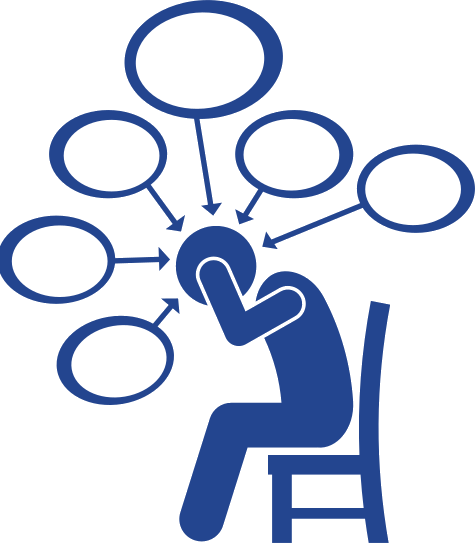
Try keeping a pen and notebook beside your bed.

If a thought comes to mind, write it down and remind yourself you can revisit it in the morning28. This reassurance can help you calm your mind and help you get into the relaxed state needed to get a good night’s sleep28.
Tip #2: Avoid stressful situations before bed
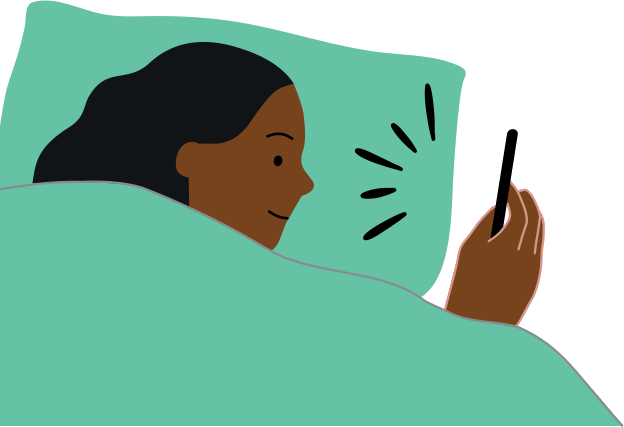
Finding yourself in stressful situations before bed can impact your sleep29-31. In the evening, do your best to avoid scrolling on social media30,31 or discussing serious or heavy topics with loved ones29 so that you can get a more restful sleep.
Tip #3: Mind the light
Exposure to bright lights before sleep can impact melatonin, the hormone our brain produces to help us get a restful sleep11,29. Blackout curtains, sleep masks, dimming the lights and putting your devices away 30-60 minutes before bed can help signal your brain that it is bedtime11,29.
Tip #4: Relax your mind
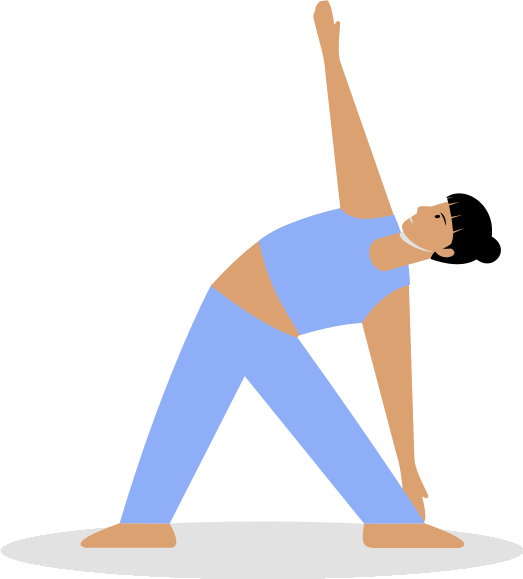
Creating a relaxing bedtime routine is an important step in preparing your body and mind for quality sleep. Ideas for this include meditating, reading a book, gratitude journaling and stretching11,29,30. Check out this link to learn more about gratitude and heart failure.
Tip #5: Dedicate your bedroom to your sleep
Using your room for tasks other than sleep can affect your sleep30. Avoid watching TV, using devices, working, and eating food while sitting in your bed. When your brain knows that your bed is only for sleep, it can help you get to sleep faster30.
Optimism

Heart failure patients are more likely to experience a poor quality of life due to their higher risk of anxiety and depression12,32-35.
Along with low quality of life, experiencing anxiety and depression can lead to worse health outcomes for heart failure patients12,33.


Adopting an optimistic mindset can help offset this12.
Research conducted by experts from the University of Ottawa Heart Institute found that heart failure patients who demonstrated higher levels of positive thinking, including optimism and positive emotions, had a much higher quality of life and better well-being12.
Another study found that activities to improve positive thinking, such as practicing gratitude and participating in activities that bring enjoyment and meaning to one’s life led to improvements in heart failure self-care and anxiety an increase in feelings of happiness and levels of optimism13.

It is natural and sometimes easier to dwell on negative things even when positive things have happened36. But, if we think of negative thoughts as a snowball: if it keeps rolling, it will only grow bigger.
Therefore, adopting healthy ways of thinking is an important way to live well with heart failure. Here are some tips that can help!

Tip #1: Keeping track of the good
Keep a journal, either in a notebook or on your phone. When something good happens to you, write it down. On days when you’re feeling a bit down, revisit the list of good things. By practicing it regularly, you will develop a more optimistic outlook on life. To learn more, check out this link.
Tip #2: Add rhythm to your life
Make a playlist of your favourite songs. When you need a boost to your mood, play a few of them. Research shows that listening to enjoyable music can help improve the mental and physical well-being of people living with heart failure37.

Addressing Harmful Habits
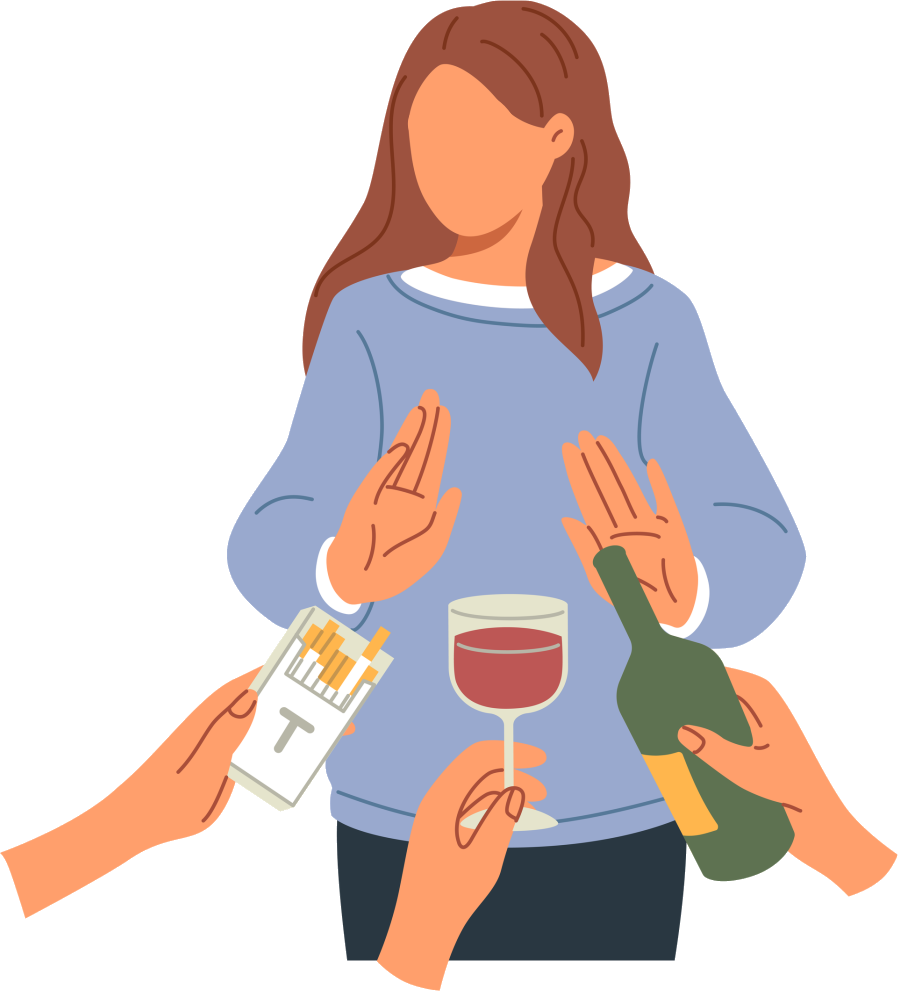
Aiming to live a good quality of life as a heart failure patient also involves choosing to avoid or reduce harmful habits that can impact your physical and mental well-being. These include alcohol consumption and tobacco use.
Alcohol and Heart Health
Heart experts agree that heavy drinking (more than 1 or 2 alcoholic drinks a day) is bad for your heart6,38. This is because alcohol can damage the heart’s muscle14.
The Heart and Stroke Foundation of Canada warns against alcohol, saying that it can raise blood pressure and interfere with heart failure medication15.
The Canadian Cardiovascular Society recommends that6:
- All heart failure patients limit their alcohol intake.
- If alcohol was one of the factors that led to a patient’s heart failure, then that patient should avoid drinking altogether.
Canadian guidelines make it clear that no amount or type of alcohol is good for our health. However, if you chose to drink, they say that less is better38. This would be less than 1-2 standard drinks per week. To learn about this, check out this link.
The muscles weaken and […] I’m sure that [my lifestyle] had to do with [my heart failure]. It’s for you to see and admit […] ”
— Adult Living with Heart Failure, Ontario
Alcohol and mental health
In addition to harming our heart health, alcohol can also negatively impact our mental health. Research shows that the use of alcohol and illicit drugs can worsen symptoms of anxiety and depression, hinder cognitive function, and increase the risk of developing mental health disorders33.
What research has found is that the patients who received the message that moderate drinking can be good for the heart were at a higher risk of taking part in hazardous drinking patterns30.
Our Recommendation
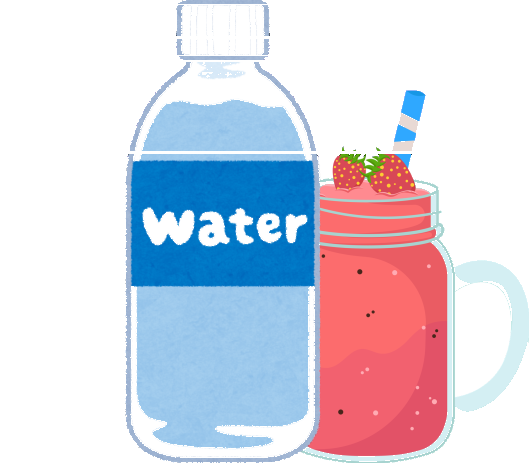
It is important to limit alcohol intake and avoid heavy drinking. Replace alcoholic beverages with healthier options such as water and fruit smoothies.
If you choose to drink, be cautious! Make sure you speak with your healthcare provider to understand the potential risks and harms.
Smoking and Heart Failure
Heart experts say that avoiding cigarette smoking is an important way to help manage heart failure without medicine or medical devices6. This is because many studies show that smoking harms the heart6.
Research shows that people with heart failure who keep smoking after their diagnosis have worse health outcomes. These include:
 Higher risk of mortality18,39Greater risk of getting readmitted to the hospital18,39Lower quality of life18Worse heart failure symptoms18Lower physical and social functioning18
Mental health and cigarette smoking
Research shows that people who smoke cigarettes are at a higher risk of developing mental health conditions, such as depression, anxiety disorders, and substance use17,40. For people with existing mental health issues, cigarette smoking can worsen their symptoms41.
The choice to quit smoking can lead to significant heart and mental health benefits.
- Canadian Cardiovascular Society says that quitting smoking, no matter the age, is associated with longer longevity42.
- Quitting smoking can also lead to significant decreases in depression, anxiety, and stress, and increase quality of life17,40.
For heart failure patients who smoke, taking part in smoking cessation strategies is very beneficial to improving their mental health, quality of life, and heart failure-specific outcomes39.

Our Recommendation
If you have a history of cigarette smoking and/or find it hard to quit smoking, talk to your healthcare provider about what you can do to reduce your risk and live a healthier life. If it feels right for you, check out this link to explore smoking cessation programs near you.
Spending Time in Nature

Research shows that spending time in green spaces is good for heart health20.
People who spend more time in nature tend to have less stress, depression, and anxiety9,43. Green spaces can also lower blood pressure, improve sleep and brain health, increase physical activity, and give people a break, exercise, and social time19,20. For people living with heart failure, time in nature can help improve symptoms and heart function9.

Since spending time in nature can bring lots of benefits, here are some tips on how to get outdoors more:
Tip #1: Take your plans outside
When planning on meeting up with loved ones, suggest outdoor activities. For example, instead of lunch at a restaurant, see if your loved ones are willing to have a picnic at the park.

Tip #2: Pair your favourite activity with a green space
If you enjoy reading, see if you can find a green space that has a bench where you can sit and read. If you enjoy arts and crafts, such as colouring or drawing, try bringing that to a picnic bench at your local park.
Engaging in Meaningful Activities
Along with paying attention to what we eat, how we move our bodies, taking part in activities that we enjoy is an important part of heart failure self-care and improving our overall mental health.
According to psychology:
Humans need to be engaged in the world around them and have a sense of purpose7,21. We want to be interested in the activities. When we feel like we are doing well and have control over the decisions we make and the actions we take, we feel better and are more confident, both of which are very important for managing heart failure8,12.

Tips for enjoying life, living well, and feeling fulfilled!

Tip #1: Make your happiness a priority
Reflect on what makes you happy and ways you can incorporate this into your life. As an example, if there is a cause that you are passionate about, look into opportunities in your community to support it and make a difference.
Tip #2: Get inspired by what has worked for others living with heart failure

Reading, completing word searches, and spending time with pets are some activities that people living with heart failure have found enjoyable. Try one or more of them out and see if you also have fun with them. If it works for them, it can also work for you.
Tip #3: Learn something new
Think about something you have always wanted to learn and make a plan! This can be as simple as trying out a new recipe, or even something more challenging like learning a new language or instrument. Learning a new skill can give us a sense of accomplishment.

— Patient Living with Heart Failure, Ontario
Self-Management Guide — Full PDF
Download the complete guide as a PDF to read offline or share with your care team.
Download PDF →References
- Bian Z, Wang L, Fan R, Sun J, Yu L, Xu M, et al. Genetic predisposition, modifiable lifestyles, and their joint effects on human lifespan: evidence from multiple cohort studies. BMJ EBM. 2024;29(4):255–63.
- Lo WC, Hu TH, Shih CY, Lin HH, Hwang JS. Impact of Healthy Lifestyle Factors on Life Expectancy and Lifetime Health Care Expenditure: Nationwide Cohort Study. JMIR Public Health Surveill. 2024;10:e57045.
- Hautekiet P, Saenen ND, Martens DS, Debay M, Van Der Heyden J, Nawrot TS, et al. A healthy lifestyle is positively associated with mental health and well-being and core markers in ageing. BMC Med. 2022;20(1):328.
- Gorelick PB, Furie KL, Iadecola C, Smith EE, Waddy SP, Lloyd-Jones DM, et al. Defining Optimal Brain Health in Adults: A Presidential Advisory From the American Heart Association/American Stroke Association. Stroke. 2017;48(10).
- Zheng T. Sleep disturbance in heart failure: A concept analysis. Nursing Forum. 2021;56(3):710–716.
- Ezekowitz JA, O’Meara E, McDonald MA, et al. 2017 Comprehensive Update of the Canadian Cardiovascular Society Guidelines for the Management of Heart Failure. Can J Cardiol. 2017;33(11):1342–433.
- Levine GN, Cohen BE, Commodore-Mensah Y, et al. Psychological Health, Well-Being, and the Mind-Heart-Body Connection. Circulation. 2021;143(10).
- Sin NL. The Protective Role of Positive Well-Being in Cardiovascular Disease. Curr Cardiol Rep. 2016;18(11):106.
- Mao G, Cao Y, Wang B, et al. The Salutary Influence of Forest Bathing on Elderly Patients with Chronic Heart Failure. IJERPH. 2017;14(4):368.
- Joshi L. Healthy Living, Healthy Mind: The Impact of Daily Choices on Mental Well-being. IJIP. 2025;13(2):3415–26.
- Lofa PHP, Yunitiri N, Rayasari F, et al. The Effectiveness of Sleep Hygiene on Sleep Quality in Patients with Congestive Heart Failure. Int Jou of PHE. 2024;4(1):340–347.
- Maukel LM, Bouchard K, Liu PP, et al. The heart’s silver lining: Positive psychological well-being and health related quality of life in patients with heart failure. General Hospital Psychiatry. 2025;95:11–18.
- Celano CM, Freedman ME, Beale EE, et al. A Positive Psychology Intervention to Promote Health Behaviors in Heart Failure. J Nerv Ment Dis. 2018;206(10):800–808.
- Andersson C, Schou M, Gustafsson F, Torp-Pedersen C. Alcohol Intake in Patients with Cardiomyopathy and Heart Failure. Circ: Heart Failure. 2022;15(8).
- Heart and Stroke Foundation of Canada [Internet]. Toronto (ON); c2025 [cited 2025 Aug 10]. Available from: https://www.heartandstroke.ca/heart-disease/conditions/heart-failure.
- Rashid S, Qureshi AG, Noor TA, et al. Anxiety and Depression in Heart Failure: An Updated Review. Curr. Cardiol. 2023;48(11):101987.
- Prochaska JJ, Das S, Young-Wolff KC. Smoking, Mental Illness, and Public Health. Annu Rev Public Health. 2017;38(1):165–85.
- Son YJ, Lee HJ. Association between persistent smoking after a diagnosis of heart failure and adverse health outcomes. Tob Induc Dis. 2020;18:5.
- Jimenez MP, DeVille NV, Elliott EG, et al. Associations between Nature Exposure and Health. IJERPH. 2021;18(9):4790.
- Keith RJ, Hart JL, Bhatnagar A. Greenspaces and Cardiovascular Health. Circulation Research. 2024;134(9):1179–1196.
- Martino J, Pegg J, Frates EP. The Connection Prescription. Am. J. Lifestyle Med. 2017;11(6):466–75.
- Jara C, Perez F, Wagner R. Sleep Hours Fall as Income Rises. Econ. Hum. Biol. 2025;58:101496.
- Feingold CL, Smiley A. Healthy Sleep Every Day Keeps the Doctor Away. IJERPH. 2022;19(17):10740.
- Gaffey AE, Jeon S, Conley S, et al. Perceived Stress, Subjective, and Objective Symptoms of Disturbed Sleep in Men and Women with Stable Heart Failure. Behav. Sleep Med. 2021;19(3):363–77.
- Canadian Society for Exercise Physiology (CSEP). Canadian 24-Hour Movement Guidelines for Adults Aged 18-65 Years. Ottawa(ON): CSEP; 2016.
- Canadian Society for Exercise Physiology (CSEP). Canadian 24-Hour Movement Guidelines for Adults Aged 65 Years and Older. Ottawa(ON): CSEP; 2016.
- Hajj J, Mathelier H, Drachman B, Laudanski K. Sleep Quality, Fatigue, and Quality of Life in Individuals with Heart Failure. JNP. 2020;16(6):461–465.
- Scullin MK, Krueger ML, Ballard HK, et al. The effects of bedtime writing on difficulty falling asleep. J. Exp. Psychol. Gen. 2018;147(1):139–146.
- Heart and Stroke Foundation of Canada [Internet]. Available from: https://www.heartandstroke.ca/heart-disease/recovery-and-support/emotions-and-feelings/sleep.
- De Pasquale C, El Kazzi M, Sutherland K, et al. Sleep hygiene – What do we mean? A Bibliographic Review. Sleep Med. Rev. 2024;75:101919.
- Zhang J, Xiang S, Li X, et al. The impact of stress on sleep quality. Front Psychol. 2024;15:1431234.
- Moradi M, Doostkami M, Behnamfar N, et al. Global Prevalence of Depression among Heart Failure Patients. Current Problems in Cardiology. 2022;47(6):100848.
- Ski CF, Taylor RS, McGuigan K, et al. Psychological interventions for depression and anxiety in patients with coronary heart disease, heart failure or atrial fibrillation. CDSR. 2024;(4):CD013508.
- University of Ottawa Heart Institute. Heart Failure: A Guide for Patients and Caregivers [Internet]. Ottawa (ON): 2024.
- Celano CM, Villegas AC, Albanese AM, et al. Depression and Anxiety in Heart Failure: A Review. Harv Rev Psychiatry. 2018;26(4):175–184.
- Norris CJ. The negativity bias, revisited. Social Neuroscience. 2021;16(1):68–82.
- Fleming R, Robb SL. Can Music Touch the Heart? Commentary on the Benefits of Music Listening for People Living with Heart Failure. Journal of Cardiac Failure. 2020;26(7):552–4.
- Piano MR, Marcus GM, Aycock DM, et al. Alcohol Use and Cardiovascular Disease: A Scientific Statement from the American Heart Association. Circulation. 2025;152(1):e7–e21.
- Sandesara PB, Samman-Tahhan A, Topel M, et al. Effect of Cigarette Smoking on Risk for Adverse Events in Patients with Heart Failure. Am J Cardiol. 2018;122(3):400–404.
- Prochaska JJ. Tobacco Use Is Associated With Mental Illness and Substance Use Problems. AJP. 2025;182(2):137–8.
- Firth J, Wootton RE, Sawyer C, Taylor GM. Clearing the air: clarifying the causal role of smoking in mental illness. World Psychiatry. 2023;22(1):151–2.
- Mir H, Eisenberg MJ, Benowitz NL, et al. Canadian Cardiovascular Society Clinical Practice Update on Contemporary Approaches to Smoking Cessation. Can Cardiol. 2025;41(5):797–812.
- Chang C chen, Lin BB, Feng X, et al. A lower connection to nature is related to lower mental health benefits from nature contact. Sci Rep. 2024;14(1):6705.