Finding Support in Your Community

There are services that exist in your community that can help directly and indirectly support your brain and heart health.
We are working with Ontario Health Teams in your regions to help you learn more about finding and using resources available to you. You can also search for services by using or calling 211 Ontario.
You don’t have to manage your care alone. These services are here to help you live better and feel more confident in managing your care.
Nutrition & Diet Support
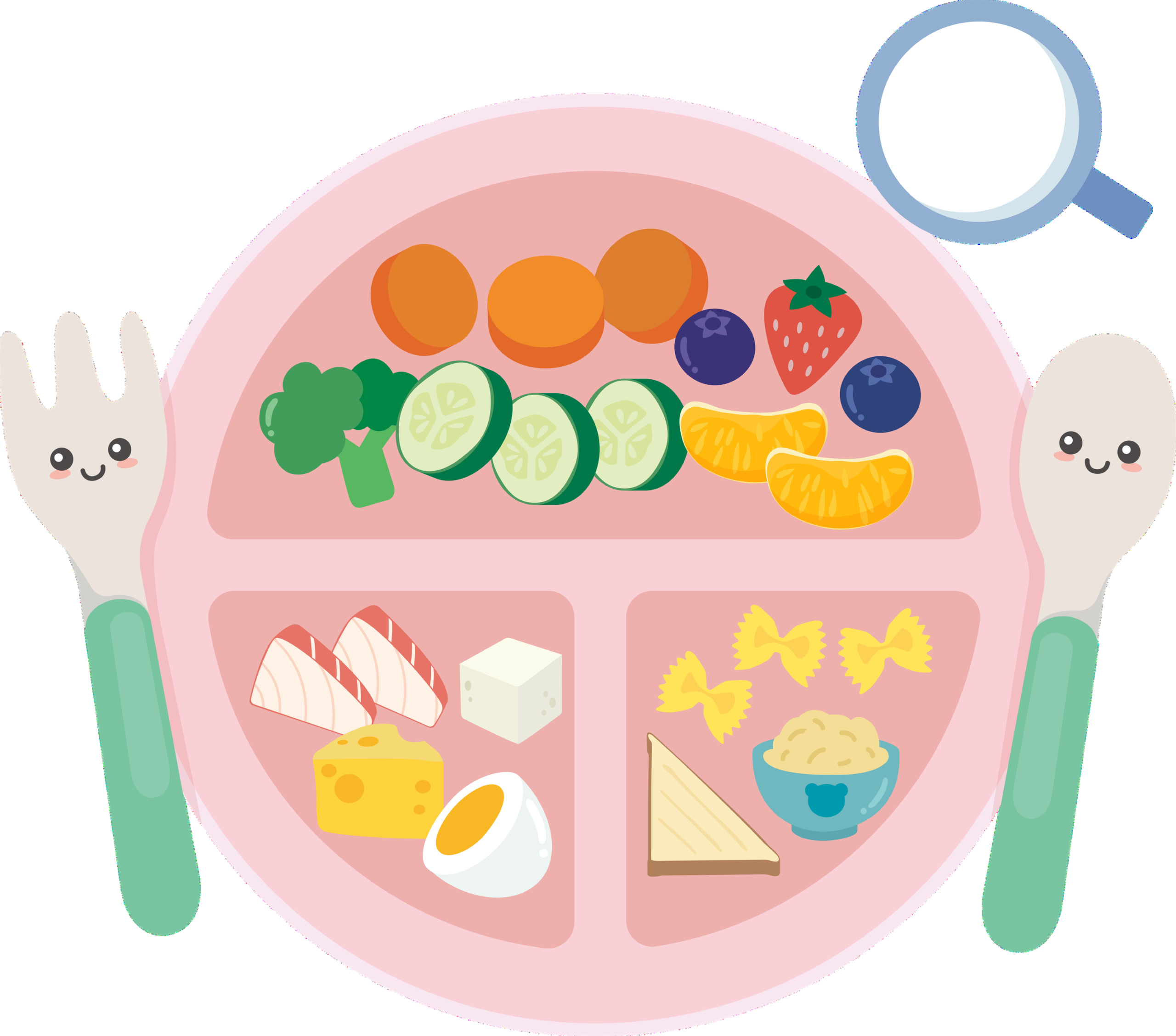
What this support could include:
- Group dining programs
- Nutrition/dietitian counselling
- Cooking classes
- Meals on Wheels
- Meal preparation support
- Grocery or supply delivery
- Food banks
How to find it in CareDove/211: Click the “Food” section.
Search simple terms like:
References: (1) Yu X, Chen Q, Xu Lou I. Dietary Strategies and Nutritional Supplements in the Management of Heart Failure: A Systematic Review. Front Nutr. 2024;11:1428010. https://doi.org/10.3389/fnut.2024.1428010. (2) Joseph Firth, James E Gangwisch, Emeran A Mayer. Food and mood: How Do Diet and Nutrition Affect Mental Wellbeing? BMJ. 2020;369:m2440. https://doi.org/10.1136/bmj.m2440.
Exercise
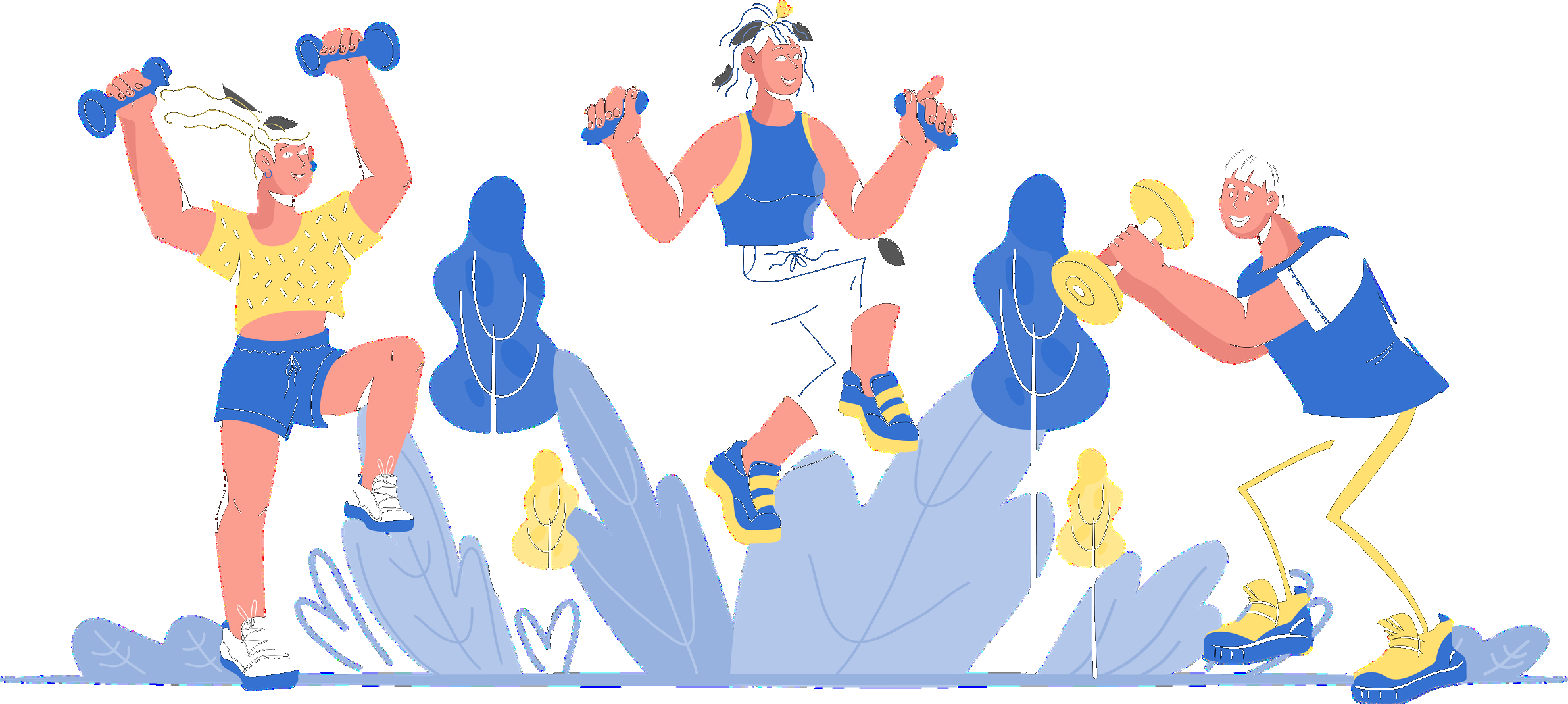
What this support could include:
- HeartWise classes
- Falls prevention programs
- Group exercise classes
- In-home exercise support
- Virtual exercise programs
- Walking groups
- Aquatics
How to find it in CareDove/211: Click the “Fitness” section.
Search simple terms like:
References: (1) Ladwig KH, Baghai TC, Doyle F, Hamer M, Herrmann-Lingen C, Kunschitz E, et al. Mental health-related risk factors and interventions in patients with heart failure: a position paper endorsed by the European Association of Preventive Cardiology (EAPC). Eur. J. Prev. Cardiol. 2022;29(7):1124–1141. https://doi.org/10.1093/eurjpc/zwac006.
Reducing Harmful Habits
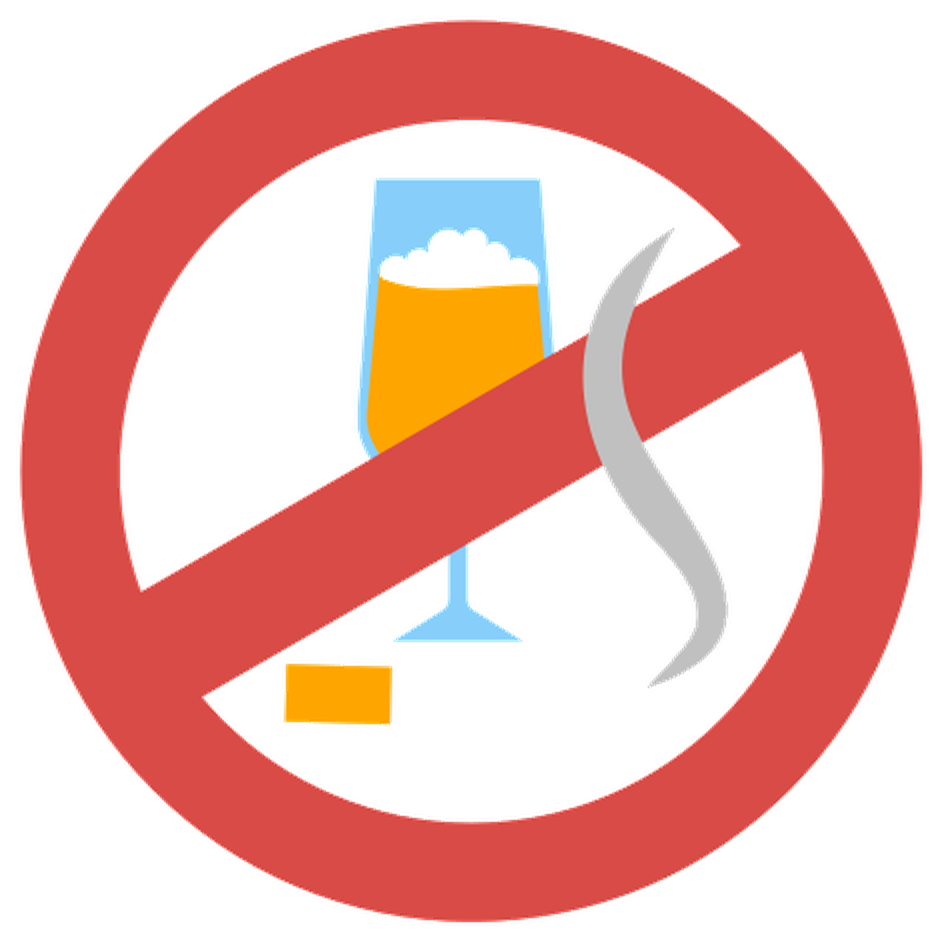
What this support could include:
- Smoking cessation programs
- Nicotine replacement therapy support
- Alcohol reduction programs
- Substance use counselling
- Harm reduction services
- Addiction support groups
Search simple terms like:
References: (1) Mukamal, K. J. (2006). The Effects of Smoking and Drinking on Cardiovascular Disease and Risk Factors. Alcohol Research & Health, 29(3), 199. https://pmc.ncbi.nlm.nih.gov/articles/PMC6527044/ (2) Minichino, A., Bersani, F. S., Calò, W. K., Spagnoli, F., Francesconi, M., Vicinanza, R., Chiaie, R. D., & Biondi, M. (2013). Smoking Behaviour and Mental Health Disorders—Mutual Influences and Implications for Therapy. International Journal of Environmental Research and Public Health, 10(10), 4790. https://doi.org/10.3390/ijerph10104790
Self-Management Programs


What this support could include:
- Heart failure education classes/webinars/workshops
- Self-care coaching
- Chronic disease management programs
- Caregiver education sessions
Search simple terms like:
Mental Health Services
What this support could include:
- Individual counselling
- Therapy (in-person or virtual)
- Support groups
- Psychiatry services
- Mental health programs for older adults
Search simple terms like:

AccessMHA.ca
AccessMHA makes it easier to find free mental health and/or substance use/addiction support, services and care.

Counselling Connect
Free phone or video counselling for Ottawa-area residents in English, French, Arabic or Mandarin. Also offers free mental health and addictions support in a group setting.
References: (1) Rashid S, Qureshi AG, Noor TA, Yaseen K, Sheikh MAA, Malik M, et al. Anxiety and Depression in Heart Failure: An Updated Review. Curr. Probl. Cardiol. 2023;48(11):101987. https://doi.org/10.1016/j.cpcardiol.2023.101987 (2) Henein, M. Y., Vancheri, S., Longo, G., & Vancheri, F. (2022). The Impact of Mental Stress on Cardiovascular Health—Part II. In Journal of Clinical Medicine (Vol. 11, Issue 15). MDPI. https://doi.org/10.3390/jcm11154405
Financial Support
What this support could include:
- Credit and debt counselling
- Employment Insurance (EI)
- Disability benefits
- Old Age Security (OAS)
- Ontario Disability Support Program (ODSP)
- Workers’ Compensation (WSIB)
- Rent or housing assistance
- Utility bill assistance
- Medication or health benefit programs
How to find it in CareDove/211: Look under “Financial Assistance” or “Housing and Financial Support.”
Search simple terms like:
Social Connection & Support Groups

What this support could include:
- Adult day programs
- Friendly visiting programs
- Group dining programs
- Community programs
- Peer support groups
- Heart failure or chronic illness support groups
- Caregiver support groups
How to find it in CareDove/211: Look under “Community Programs”, “Social Connection”, or “Recreation”.
Search simple terms like:
You can also look for: Facebook groups and community Facebook pages for heart failure or events near you.
References: (1) Acoba EF. Social support and mental health: the mediating role of perceived stress. Front Psychol. 2024;15:1330720. https://doi.org/10.3389/fpsyg.2024.1330720. (2) Drageset J. Social Support. In: Haugan G, Eriksson M, editors. Health Promotion in Health Care – Vital Theories and Research. Cham: Springer International Publishing; 2021. p. 137–144.
Transportation Support

What this support could include:
- Rides to medical appointments
- Non-emergency medical transportation
- Accessible transit services
- Volunteer driver programs
- Subsidized transportation programs
- Senior transportation services
How to find it in CareDove/211: Look under the “Transportation” category.
Search simple terms like: